Astrology insights
Sun Transit in Leo 2026: How Will It Affect Your Sign?
5 views
On Monday, 17 August 2026, at 7:50 am, the Sun steps out of Cancer and walks into Leo, its very own zodiac sign, and Vedic astrology treats this moment like a king returning home. This event, called Simha Sankranti, is not just another monthly shift, and it's fitting that the Sun makes this move right as Leo Season 2026 is already in full swing. The Sun rules identity, confidence, and leadership, and when it sits in the sign it owns, its influence sharpens for everyone, whether you are a Leo by birth or simply want to know what the month ahead holds.
| Event | Details |
|---|---|
| Simha Sankranti | 17 Aug, 7:50 am |
| Punya Kaal window | 5:51 am – 8:04 am (2 Hours 11 minutes) |
| Transit start/end | 17 Aug – 16 Sep 2026 |
What is Sun Transit in Leo 2026?
Sun Transit in Leo 2026 refers to the period when the Sun, known as Surya in Vedic astrology, moves through the constellation of Leo (Simha Rashi) from 17 August to 16 September 2026. Since Leo is the Sun's own sign, this is considered a naturally strong and dignified placement, often linked to gains in confidence, recognition, and leadership for those willing to act with purpose.
What is the exact time of Simha Sankranti 2026?
Simha Sankranti 2026 falls on Monday, 17 August, with the Sun entering Leo at 7:50 am, according to Vedic Surya Gochar (Sun transit) calculations for New Delhi. The Punya Kaal, the auspicious window traditionally kept for charity, bathing rituals, and prayer on Sankranti day, runs from 5:51 am to 8:04 am (2 hours and 11 minutes) this year, so most households plan their morning puja accordingly.
This year carries an extra layer of meaning. The transit lands on a Shravan Somvar, a Monday during the holy month of Shravan that is already dedicated to Lord Shiva. Many families extend their Monday fasting and prayers to also mark the Sun's entry into Leo, treating the day as doubly sacred.
Why is Sun entering Leo considered special?
The Sun enters its own sign only once a year, and this self-owned placement, called swagrahi in Vedic astrology, is read as a period of strength rather than struggle for the Sun. Just as a person feels more confident in their own home, the Sun is believed to express its core qualities of vitality, authority, and clarity more fully while transiting through Leo.
This is why astrologers pay closer attention to Surya Gochar 2026 during this particular window. Career visibility, relationships with authority figures, and your general sense of self-worth are the themes most commonly linked to this transit. It is a month to notice where you have been playing small, and where a little more courage could help. If you want to see exactly how this transit lines up with your own chart, checking your free Kundli is a good place to start.
How does Sun transit in Leo affect zodiac signs?
Sun transit in Leo affects each zodiac sign differently depending on which house Leo occupies in your birth chart. In general, Leo, Aries, and Sagittarius, being fire signs, tend to feel an extra lift in energy and confidence, while earth and water signs may experience a slower, more reflective month focused on inner steadiness rather than outward action.
| Zodiac Sign | Likely Focus Area |
|---|---|
| Aries | Career visibility and public recognition |
| Taurus | Higher learning, travel plans, belief systems |
| Gemini | Shared finances and deeper partnerships |
| Cancer | One-to-one relationships and negotiations |
| Leo | Personal confidence, health routines, daily habits |
| Virgo | Creativity, romance, and self-expression |
| Libra | Home life, family bonds, sense of security |
| Scorpio | Communication, siblings, short journeys |
| Sagittarius | Income, savings, and self-worth |
| Capricorn | Identity, appearance, personal goals |
| Aquarius | Rest, reflection, and letting go of the past |
| Pisces | Friendships, community, and long-term goals |
Remember, this table shows broad patterns based on Moon sign. A personalised chart reading always gives a sharper picture, since your rising sign and existing planetary periods, or dashas, shape how strongly you feel this transit.
What changes during Sun in Leo 2026 for career and confidence?
Sun in Leo 2026 traditionally supports leadership roles, public speaking, and situations where you need to be seen and heard. Many people find it easier to ask for a raise, pitch an idea, or take charge of a project during this month. Astrologers describe this as an ideal window for stepping into visibility rather than waiting to be noticed.
That said, the same fire that fuels confidence can also fuel ego clashes. Leo season has a reputation for bringing out both the best leaders and the loudest arguments in a room. Being aware of this tendency helps you use the transit's energy well instead of letting pride take over a conversation that needs patience.
How should you approach puja, daan, and remedies this month?
On Simha Sankranti, many households offer water to the rising sun, a practice called Surya Arghya, along with red flowers, jaggery, and wheat. According to the Britannica entry on Surya, the Sun has long been worshipped in Indian tradition as a source of life and vitality, which is why Sun-focused rituals are common on days when the Sun changes signs.
- Offer water (Arghya) to the rising Sun on the morning of 17 August 2026, ideally within the Punya Kaal window.
- Donate wheat, jaggery, copper items, or red cloth as daan (charity) to those in need.
- Chant the Aditya Hridayam or simple Surya mantras as part of your morning routine, if that is part of your practice.
- Wear or use warm colours like red, orange, or gold during Leo season as a small daily reminder of confidence and clarity.
- Some also consider wearing a Sun-related gemstone like Ruby during this period, though this is best done after consulting an astrologer who can check your chart first. You can explore options in our gemstone collection.
- Avoid harsh words or unnecessary ego battles at work or home, since Leo energy amplifies pride on both sides.
None of these practices guarantee a specific outcome. They are traditional ways of aligning your intentions with the energy of the season, not shortcuts that replace effort, patience, or good judgment in your daily life.
Since this transit falls in Shravan, a month already rich with vrats (fasting rituals) and observances, you may also want to plan around related festivals. Our guide on Nag Panchami 2026 vrat dos and don'ts is a useful companion if you are organising your Shravan calendar alongside Simha Sankranti.
Which month is considered more demanding for Leo in 2026?
Astrologers generally flag periods when transiting Saturn or Rahu form challenging angles to Leo's ruling Sun as the more demanding stretches of the year, rather than the Sun's own transit through Leo. The Sun's visit to its own sign in August and September is usually read as one of the steadier, more supportive months for Leo natives, not a difficult one.
Will 2026 be a good year for Leo overall?
For Leo natives, 2026 brings a mix of steady growth and a few tests of patience, much like most years do. The Sun transit in Leo in August and September is typically one of the more favourable windows, supporting confidence, health routines, and personal projects. According to timeanddate's overview of zodiac and solar movement, the Sun's path through the signs is a fixed astronomical cycle, and Vedic astrology layers its symbolic meaning on top of this predictable rhythm.
What should you keep in mind through mid-September?
Use the weeks between 17 August and 16 September 2026 to review where you have been undervaluing your own contribution, at work or at home. This is a good window for having honest conversations, starting new health habits, or simply standing a little taller in situations where you usually hold back. Small, consistent action matters more than grand gestures during this transit.
FAQs
What is the exact time of Simha Sankranti 2026?
Simha Sankranti 2026 falls on Monday, 17 August, with the Sun entering Leo at 7:50 am, as per Surya Gochar timings calculated for New Delhi. The Punya Kaal period for rituals typically follows for several hours after this moment.
How does the Sun's transit in Leo affect zodiac signs differently?
The effect depends on which house Leo falls in for your Moon sign. Fire signs like Aries, Leo, and Sagittarius usually feel more energy and visibility, while other signs experience the shift in areas like relationships, finances, or daily routines, as shown in the table above.
Is Sun transit in Leo good for starting new projects?
Yes, many astrologers consider this a supportive period for launching visible projects, applying for promotions, or taking on leadership roles, since the Sun is strong in its own sign. It is not a guarantee of success, but a favourable backdrop for confident action.
Do I need to fast or do a special puja on Simha Sankranti?
No fast or ritual is compulsory. Many households simply offer water to the Sun in the morning and donate wheat or jaggery as daan. These are traditional practices of gratitude, not medical or financial remedies, and you can adapt them to your own beliefs and comfort.
Which sign benefits the most from Sun transit in Leo 2026?
Leo natives typically feel the most direct benefit since the Sun is transiting their own sign, boosting confidence and self-expression. Aries and Sagittarius, as fellow fire signs, also tend to experience a noticeable rise in motivation and visibility during this month.
Related Blogs
Tulsidas Jayanti 2026: Date, Tithi, Puja Vidhi, History and Significance
Tulsidas Jayanti 2026 falls on Wednesday, 19 August, marking what is traditionally observed as the 529th birth anniversary of Goswami Tulsidas, the poet-saint who gave India the Ramcharitmanas. The Saptami Tithi (seventh day of the lunar fortnight) of Shukla Paksha in the Hindu month of Shravan begins at 5:50 PM on 18 August and runs until 7:19 PM on 19 August, IST. This single date carries the weight of centuries of devotion, storytelling, and Hindi literature.You do not need to be a Sanskrit scholar to feel the pull of Tulsidas's verses. Millions recite the Hanuman Chalisa daily without knowing it was penned by this one saint. If you want personalised guidance on how Shravan's spiritual energy affects your year, you can explore the DivineTalk app for daily devotional support and astrology tools. When is Tulsidas Jayanti 2026?Tulsidas Jayanti 2026 date is Wednesday, 19 August. The tithi (lunar date) begins at 5:50 PM on 18 August 2026 and ends at 7:19 PM on 19 August 2026, as per Panchang calculations for New Delhi. This makes 19 August 2026 the Tulsidas Jayanti observance date in the Panchang tradition used for this calculation. What is the Tulsidas Jayanti 2026 tithi?Unlike festivals such as Raksha Bandhan, Tulsidas Jayanti does not have a universally prescribed puja muhurat. There is no universally prescribed Tulsidas Jayanti puja muhurat in the source used here, so devotees can choose a convenient time for recitation, prayer, or devotional observance. Who was Goswami Tulsidas?Goswami Tulsidas was a 16th-century poet-saint, widely regarded as the author of the Ramcharitmanas, a retelling of the Ramayana in Awadhi, a dialect close to Hindi. He is also credited with the Hanuman Chalisa, a devotional hymn recited daily by millions across India. His work reshaped how ordinary people accessed the story of Lord Ram.Traditional accounts describe Tulsidas as born in Rajapur, a village in present-day Uttar Pradesh, though exact biographical details vary across regional retellings. According to sources like Encyclopaedia Britannica, his exact birth year is debated among scholars, but his literary influence on North Indian devotional culture is undisputed. What is the Ramcharitmanas?The Ramcharitmanas is Goswami Tulsidas's retelling of the Ramayana, composed in Awadhi rather than Sanskrit, which is what allowed ordinary people to read or listen to Lord Ram's story in a language close to their own. The text is organised into seven Kands, or books: Bal Kand, Ayodhya Kand, Aranya Kand, Kishkindha Kand, Sundar Kand, Lanka Kand, and Uttar Kand, each covering a distinct phase of Ram's life, from his birth and childhood to his return to Ayodhya after defeating Ravana. Over the centuries, the Ramcharitmanas has become one of the most widely read and recited religious texts in North India, forming the basis for Ramkatha storytelling sessions, Ramleela performances, and daily devotional reading in homes and temples. It remains relevant today because it presents devotion, duty, and moral conduct through a familiar, story-driven format rather than abstract philosophy, which is part of why it continues to be read, sung, and performed generations after it was written. Did Tulsidas write the Hanuman Chalisa?Tradition credits Goswami Tulsidas with composing the Hanuman Chalisa, a 40-verse devotional hymn to Lord Hanuman that is among the most widely recited prayers in India today. This attribution is based on long-standing devotional tradition and literary style rather than an independently verified historical record, so it is best understood as a strongly held belief rather than a documented fact. Its connection to Tulsidas matters because the hymn reflects the same accessible, devotion-first approach found in the Ramcharitmanas, which is likely why generations of devotees have linked the two works to the same poet-saint. Recited daily in homes and temples, the Hanuman Chalisa is valued for the sense of protection, courage, and devotion it is believed to inspire. Why is Tulsidas famous?Tulsidas is famous chiefly for writing the Ramcharitmanas, a version of the Ramayana that made the epic accessible to common people who could not read Sanskrit. He is also known for the Hanuman Chalisa. His writing style blended devotion, philosophy, and storytelling, which is why his verses are still recited in temples and homes today. What is the significance of Tulsidas Jayanti?Tulsidas Jayanti significance lies in honouring a literary and spiritual figure who bridged classical Sanskrit tradition with everyday Hindi-speaking devotees. The day is seen as an occasion to reflect on bhakti (devotion), read the Ramcharitmanas, and reaffirm the values of humility and service that Tulsidas wrote about extensively. Was Tulsidas born with 32 teeth?Traditional folk narratives describe Tulsidas as born with a full set of teeth, an unusual detail passed down through oral retellings rather than verified historical record. Such stories are part of the wider Tulsidas Jayanti katha, the traditional narrative tradition around his life, and should be understood as folklore rather than confirmed biography. How is Tulsidas Jayanti celebrated across India?Tulsidas Jayanti celebration typically includes recitation of Ramcharitmanas verses, group chanting of the Hanuman Chalisa, and gatherings at temples dedicated to Lord Ram and Hanuman. Some communities organise Ramkatha, storytelling sessions describing episodes from the epic, while others focus on quiet personal reading and reflection.Recitation of the Hanuman Chalisa in temples and homes.Reading select chapters (kands) from the Ramcharitmanas.Community Ramkatha or storytelling sessions.Charity and food donation as an act of service.Visits to temples associated with Lord Ram and Hanuman.What is the Tulsidas Jayanti puja vidhi?A simple Tulsidas Jayanti puja at home can begin with a morning bath and clean attire, followed by lighting a diya (lamp) before an image of Tulsidas or Lord Ram. Devotees then recite verses from the Ramcharitmanas or the Hanuman Chalisa, offer flowers and tulsi leaves, and conclude with a simple aarti. Some observe a Tulsidas Jayanti vrat by eating only once during the day. What is the recommended Tulsidas Jayanti mantra?There is no single fixed Tulsidas Jayanti mantra prescribed universally. Most devotees instead recite the Hanuman Chalisa in full or chant the opening doha (couplet) of the Ramcharitmanas as a mark of respect. These recitations are treated as devotional practice, not as remedies with guaranteed results. What is the history behind the Tulsidas Jayanti observance?Tulsidas Jayanti history traces back to devotional communities who began marking his birth anniversary generations after his passing, as his Ramcharitmanas grew into one of the most widely read religious texts in North India. According to Sahitya Akademi, the text remains a cornerstone of Hindi devotional literature studied and performed even now.If you are curious about how planetary positions at your own birth compare with auspicious tithis like Tulsidas Jayanti, a detailed kundli (birth chart) can offer context, though it should be read as guidance rather than prediction. Tulsidas Jayanti vs Hanuman Jayanti: How are they connected?AspectTulsidas JayantiHanuman JayantiWho is honouredGoswami Tulsidas, poet-saintLord Hanuman2026 date19 AugustObserved separately in ChaitraKey practiceRamcharitmanas recitationHanuman worship and chantingNature of dayLiterary and spiritual tributeReligious festivalBoth occasions share a strong connection through the Hanuman Chalisa, which Tulsidas composed. While Hanuman Jayanti celebrates the deity directly, Tulsidas Jayanti celebrates the human saint whose words continue to shape how that deity is worshipped. Why do people continue to celebrate Tulsidas Jayanti today?People continue to celebrate Tulsidas Jayanti because the Ramcharitmanas remains part of daily devotional life across Indian households, from temple recitations to television adaptations. Tulsidas Jayanti kab hai, or when the day falls, is checked every year by devotees who wish to time their reading of the epic or their Hanuman Chalisa recitation around this date.Those wanting a more personalised understanding of how Shravan's spiritual calendar aligns with their own life path can consult a Vedic astrologer for tailored guidance rather than relying on generic dates alone. FAQsWhen is Tulsidas Jayanti 2026?Tulsidas Jayanti 2026 falls on Wednesday, 19 August. The Saptami Tithi begins at 5:50 PM on 18 August and ends at 7:19 PM on 19 August, IST. What is the significance of Tulsidas Jayanti?It marks the birth anniversary of Goswami Tulsidas, author of the Ramcharitmanas and Hanuman Chalisa. Devotees use the day to recite his verses and reflect on devotion and humility. Who was Goswami Tulsidas?He was a 16th-century poet-saint credited with writing the Ramcharitmanas, a Hindi-Awadhi retelling of the Ramayana, and the widely recited Hanuman Chalisa. Why is Tulsidas famous?Tulsidas is famous for making the Ramayana accessible to common people through the Ramcharitmanas, written in a language closer to everyday speech than Sanskrit. Is there a fixed Tulsidas Jayanti vrat ritual?There is no single mandatory ritual. Most observances include reciting the Hanuman Chalisa, reading portions of the Ramcharitmanas, and optionally fasting for the day as a personal devotional practice.
Raksha Bandhan Bhadra 2026: Rakhi Muhurat Explained
Here is the short answer: Raksha Bandhan falls on Friday, 28th August 2026, and Bhadra Kaal ends before sunrise that day. The Panchang-prescribed Rakhi tying muhurat for New Delhi runs from 5:57 AM to 9:48 AM, so you can comfortably tie Rakhi within this morning window without worrying about Bhadra at all.That single fact solves most of the confusion around Raksha Bandhan Bhadra 2026. But if you want to understand exactly why the date is the 28th and not the 27th, when Bhadra Kaal actually ends, and what the ideal Rakhi tying muhurat looks like for your city, this guide walks you through it step by step, using verified Panchang timings. You can also check your city's exact muhurat instantly on the DivineTalk app. Raksha Bandhan 2026: Date, Bhadra and Rakhi Muhurat at a GlanceThe timings below are calculated for New Delhi (IST, UTC+5:30), which is the standard reference used by most Panchang calendars in India. If you live in another city, the Purnima Tithi and Bhadra timings can shift by a few minutes, so it is always worth checking a local Panchang if you are close to a boundary time.EventTimingRaksha Bandhan dateFriday, 28th August 2026Purnima Tithi begins9:08 AM, 27th August 2026Purnima Tithi ends9:48 AM, 28th August 2026Bhadra KaalEnds before sunrise on 28th August 2026Rakhi tying muhurat (prescribed)5:57 AM to 9:48 AM, 28th August 2026Duration of muhuratApproximately 3 hours 51 minutesBecause Bhadra on Raksha Bandhan 2026 ends before sunrise on 28th August, it does not touch the daytime hours of the festival. This is why the Panchang-prescribed Rakhi-tying muhurat of 5:57 AM to 9:48 AM on 28th August is free of Bhadra Kaal and recommended for the ceremony. For the complete date, muhurat, and Bhadra breakdown in one place, see our detailed guide on Raksha Bandhan 2026: Date, Muhurat, and Bhadra Timings. When Does Bhadra End on Raksha Bandhan 2026?Bhadra on Raksha Bandhan 2026 ends before sunrise on 28th August, according to Drik Panchang. Since Raksha Bandhan itself is celebrated on 28th August, Bhadra Kaal is already over before the festival day even begins. This is why 2026 is considered an easy year for Rakhi timing, unlike years when Bhadra spills into the Purnima morning.This gap between Bhadra ending and Raksha Bandhan starting is worth appreciating. In several recent years, families have had to wait until late evening to tie Rakhi because Bhadra overlapped with most of the daylight hours. In 2026, that problem will not arise, so there is no need to delay the ceremony or rush through it anxiously. Can You Tie Rakhi During Bhadra?Traditional Panchang guidance advises against tying Rakhi during Bhadra Kaal. Bhadra is a period ruled by an inauspicious karana, or half-tithi segment, in Vedic timekeeping, and it is traditionally treated as unfavourable for happy, celebratory rituals like Raksha Bandhan, though it is fine for sombre or protective observances.This is a matter of religious tradition passed down through generations, not a scientifically tested rule. Many families still follow it out of respect for custom and peace of mind, while others tie Rakhi whenever it is convenient. Neither approach is wrong. If Bhadra does not overlap with your available time, as is the case for most of India in 2026, the question simply does not arise. What Is Bhadra Kaal and Why Is It Avoided for Rakhi?Bhadra Kaal, also called Vishti Karana, is one of the eleven karanas, or half-day divisions, that make up the Hindu lunar calendar. It is said to be governed by a restless, ill-tempered energy, and classical tradition treats it as unsuitable for joyful beginnings such as weddings, housewarmings, and the rakhi tying ceremony.You do not need to memorise karana charts to understand this. Think of Bhadra as a traditionally observed inauspicious window, similar to how some people avoid starting new work on certain weekdays. Panchang makers calculate its exact start and end times every month based on the Moon's position, which is why the Bhadra on Raksha Bandhan 2026 has a precise, verifiable start and end time rather than a vague date range. What Is the Rakhi Tying Muhurat in 2026?The Panchang-prescribed Rakhi tying muhurat for 2026 is 5:57 AM to 9:48 AM on Friday, 28th August, in New Delhi. This is a separately published muhurat window, not simply the span from sunrise to the end of Purnima Tithi, and it falls entirely within the Bhadra-free morning, making it the most recommended stretch of time for the Rakhi tying ceremony this year.Some Panchang sources list the muhurat starting slightly later, around 6:23 AM, largely because of small differences in how sunrise is calculated for a given city. This is a normal variation, not a contradiction, and it does not change the larger picture: the prescribed morning muhurat is Bhadra-free. Aparahna Kaal, the early afternoon period, is a traditionally recognised time division, but this guide does not list a separately verified Aparahna Rakhi Muhurat, so we recommend checking your local Panchang if you plan to tie Rakhi outside the prescribed morning window. Is Raksha Bandhan on 27 or 28 August 2026?Raksha Bandhan 2026 is celebrated on Friday, 28th August, even though the Purnima Tithi technically begins on 27th August at 9:08 AM. This is because Hindu festivals follow the Udaya Tithi principle, which means the tithi that is active at sunrise decides the festival day, and Purnima is active at sunrise only on the 28th.On 27th August, Purnima begins mid-morning and coexists with Bhadra Kaal for part of the day, so it is not treated as the main festival day. By 28th August, the tithi has carried over to sunrise, Bhadra has already ended before sunrise, and the Purnima continues until 9:48 AM. This combination of factors is why calendar authorities and Panchang publishers also observe 28th August as the correct date for Raksha Bandhan 2026. What If You Miss the Rakhi Muhurat?Missing the exact muhurat is not something to worry about. If the prescribed window of 5:57 AM to 9:48 AM does not work for your family's schedule, you can check your local panchang or consult an astrologer for a free first chat and ask them for the most auspicious timings for you after muhurat.Raksha Bandhan is, at its heart, a celebration of the bond between siblings. The muhurat is a traditional guide to help you choose a peaceful, auspicious time, not a strict deadline. If work, travel, or family logistics push the ceremony to the evening, the sentiment and the ritual remain just as meaningful. Many families across India tie Rakhi at a time that simply suits everyone gathering together, and that is perfectly acceptable. Can Rakhi Be Tied at Night?Yes, Rakhi can be tied at night if daytime hours are not workable, especially in 2026 when Bhadra Kaal has already ended before sunrise. Traditionally, the prescribed morning muhurat is preferred, but the ceremony's meaning does not diminish if practical circumstances call for an evening or night gathering. Raksha Bandhan Puja Before Tying RakhiBefore tying the rakhi, most families follow a simple puja vidhi, or ritual sequence. The sister prepares a puja thali with rakhi threads, roli, or vermillion paste, rice grains, a small diya, and sweets. She performs a short aarti for her brother, applies the tilak on his forehead, ties the rakhi on his wrist, and offers him sweets, after which he offers a gift or a promise of protection in return.This sequence varies slightly by region and family custom, but the core elements of tilak, rakhi, aarti, and sweets remain consistent across most Indian households. Since Raksha Bandhan falls on Shravan Purnima, our piece on Shravan Purnima 2026: Date, Muhurat and Puja Vidhi is a useful companion read. FAQsWhat is the muhurat time for Rakhi in 2026?The Panchang-prescribed Rakhi tying muhurat for 28th August 2026 in New Delhi is 5:57 AM to 9:48 AM. This is a separately published muhurat, not simply the period from sunrise to the end of Purnima Tithi, and it falls within the Bhadra-free morning. What is Bhadra time on Rakhi in 2026?Bhadra Kaal ends before sunrise on 28th August 2026, the day of Raksha Bandhan, so it does not affect the Rakhi tying muhurat that day. What will be the date of Raksha Bandhan in 2026?Raksha Bandhan 2026 will be observed on Friday, 28th August, based on the Udaya Tithi principle, since Purnima Tithi is active at sunrise only on that day. Is 28th August 2026 Bhadra Kaal?No, 28th August 2026 is free of Bhadra Kaal, which ends before sunrise that day. Why should Rakhi not be tied during Bhadra?Traditional Panchang guidance treats Bhadra Kaal, or Vishti Karana, as an inauspicious period unsuitable for joyful rituals like Raksha Bandhan. This is a matter of religious custom rather than a scientifically verified rule, and families who wish to observe it can plan around the Bhadra-free prescribed muhurat in 2026.
Shravan Purnima 2026: Date, Muhurat and Puja Vidhi
The full moon of the Shravan month rises over a country celebrating several festivals and observances at once. Sisters tie rakhi on brothers' wrists, coastal families offer coconuts to the sea, and Vedic students begin new scriptural study, all under the same sky on the same tithi. Shravan Purnima 2026 falls on Friday, 28th August 2026, with the Purnima tithi beginning at 09:08 AM on 27th August 2026 and ending at 09:50 AM on 28th August 2026. This single lunar date carries more names and meanings across India than almost any other day in the Hindu calendar.When is Shravan Purnima 2026?Shravan Purnima 2026, also called Shravana Purnima or Sawan Purnima, falls on Friday, 28th August 2026. The Purnima tithi (full moon date) begins at 09:08 AM on Thursday, 27th August 2026, and ends at 09:50 AM on Friday, 28th August 2026. Most rituals, including Raksha Bandhan, are observed on the 28th, when the tithi is active through the morning.Shravan Purnima 2026 Date and Tithi TimingsThe Purnima tithi begins at 09:08:00 AM on 27th August 2026 and ends at 09:50:00 AM on 28th August 2026, according to Vedic panchang calculations for New Delhi. Timings shift by a few minutes depending on your city, so it is worth checking a local panchang before fixing your puja muhurat or Raksha Bandhan rakhi-tying time.Shravan Purnima 2026 Tithi Timings EventDateTime Purnima Tithi Begins27 August 2026 (Thursday)09:08 AMPurnima Tithi Ends28 August 2026 (Friday)09:50 AMUpavasa (Fasting Day)27 August 2026 (Thursday)Full DayMain Festival Day28 August 2026 (Friday)Full DayGet the Divinetalk app to stay updated on the latest information regarding festivals. When does Purnima tithi begin and end in 2026?For Shravan Purnima 2026 specifically, the tithi begins at 09:08 AM on 27th August and ends at 09:50 AM on 28th August. Hindu almanacs treat the day on which the Purnima tithi prevails at sunrise as the main observance day. Since the tithi is present through sunrise on 28th August, that Friday is marked as the principal Shravan Purnima 2026 date across most regional calendars, including for Raksha Bandhan and Narali Purnima. What is the significance of Shravan Purnima?Shravan is a month strongly associated with Lord Shiva, and many devotees continue Shiva worship on Shravan Purnima. At the same time, the full moon carries several distinct regional and religious observances, including Raksha Bandhan, Narali Purnima, and Upakarma.Devotees believe that a dip in a sacred river on this day, combined with dana (charitable giving), washes away dosha, or inauspicious planetary influence, and invites the blessings of prosperity and long life. The day also carries deep sanskaric weight: many Brahmin communities change their sacred thread on this date, marking a renewal of vows and study.According to the Drik Panchang almanac tradition, Purnima tithi is considered especially auspicious for snan-daan, meaning ritual bathing and giving alms, because the full moon is believed to amplify the energy of whatever is offered on that day. The Raksha Bandhan festival, celebrated by tying a rakhi thread, is the most visible expression of Shravan Purnima across North India. Why does Shravan Purnima have so many regional names?Shravan Purnima has different regional names because each community layers its own agricultural, spiritual, or scholarly tradition onto the same full moon. In Maharashtra and Goa, it becomes Narali Purnima, a coconut offering to the sea; in Tamil Nadu and parts of South India, it is Avani Avittam or Yajur Upakarma; in North India, it is Raksha Bandhan and Rakhi Purnima.North India: Raksha Bandhan (Rakhi Purnima) — sisters tie a protective thread on brothers' wristsMaharashtra and coastal Goa: Narali Purnima — fishing communities offer coconuts to the sea before the traditional fishing season resumesTamil Nadu, Andhra Pradesh and Karnataka: Avani Avittam or Yajur Upakarma — Brahmin communities observe the sacred-thread ceremony and renew their Vedic studyUttar Pradesh, Bihar, and parts of Maharashtra: Sanskrit Diwas — observed to honour the Sanskrit languageThese observances have different histories and rituals even though they fall around the same Purnima tithi. Shravan Purnima vs Raksha Bandhan: What's the Difference?Shravan Purnima and Raksha Bandhan fall on the exact same tithi, so they are not two different dates but two different observances layered on one day. Shravan Purnima is the broader lunar and religious occasion marking the full moon of the Shravan month, tied to river bathing, charity, and thread-changing rituals. Raksha Bandhan is the specific sibling festival of tying a rakhi that is celebrated on the same Purnima.For full Bhadra timing details and the exact Rakhi muhurat for 2026, see our dedicated guide on Raksha Bandhan 2026: Date, Muhurat and Bhadra Timings. How do you observe the Shravan Purnima vrat?The Shravan Purnima vrat (fasting observance) varies according to the particular tradition and family practice being followed. Devotees may rise before sunrise, bathe in a river or at home with river water added, offer prayers to their chosen deity, and eat only satvik, simple food throughout the day. Some devotees also complete the observance with a Satyanarayan Puja in the evening.There is no single Shravan Purnima vrat or puja routine followed across all of India. The practices can differ depending on whether a family is observing Raksha Bandhan, Upakarma, Narali Purnima, a Purnima vrat, or another regional tradition. What is the Shravan Purnima puja vidhi?The Shravan Purnima puja vidhi, meaning the step-by-step method of worship, follows different sequences depending on the regional and family tradition being observed. Rather than one universal ritual, the day can include simple prayer, Shiva or Vishnu worship, charity, Raksha Bandhan rituals, or community-specific observances. Common practices for Shravan PurnimaWake before sunrise and take a bath, ideally in a river, lake, or with a few drops of Ganga water added to your bathing water at home.Wear clean, preferably new or freshly washed clothes before beginning the puja.Set up a small altar with an image or idol of your chosen deity. Lord Shiva, Goddess Parvati, or Lord Vishnu may be worshipped according to family tradition.Offer traditional items such as water, flowers, fruits, and other offerings according to your family's puja practice.Light a diya and incense, and recite a prayer, stotra, or devotional text appropriate to your tradition.Observe any community-specific ritual if your family follows one, such as the sacred-thread ceremony associated with Upakarma.Prepare or arrange simple satvik prasad, which may be offered and later distributed to family members.Tie rakhi if you are also observing Raksha Bandhan, after checking the correct muhurat for your city.Donate food, clothes or money to those in need, since dana on Purnima is considered especially meritorious.Conclude with aarti and share prasad with family members.The important thing is to follow the ritual that actually belongs to your family or regional tradition rather than trying to perform every Shravan Purnima observance at once. What rituals are unique to Narali Purnima and Avani Avittam?Narali Purnima, observed by coastal Maharashtrian and Goan fishing communities, involves offering a coconut to the sea to seek Varuna's blessings before the traditional fishing season resumes.Avani Avittam, observed largely in Tamil Nadu, Karnataka and Andhra Pradesh, involves Brahmin communities replacing their old sacred thread with a new one and reciting the Gayatri Mantra as part of the renewal of Vedic study and practice.Both rituals are performed around the same Shravan Purnima 2026 date of 28th August, even though the underlying meaning and community differ sharply. This is a recurring pattern in the Hindu calendar, where a single tithi accumulates multiple layers of regional meaning over centuries. What happens if you cannot perform the full Purnima Puja Vidhi?If you cannot perform the complete puja vidhi on Shravan Purnima 2026, a simple diya lit before an image of your chosen deity, a short prayer, and a small act of charity are considered sufficient. Tradition holds that sincerity of intention matters more than the scale of ritual on this day.If you want a traditional ritual to be performed according to established puja practices, you can also book a pooja through DivineTalk. Purnima in August 2026August 2026 has one Purnima, and it falls on 28th August as Shravan Purnima. The previous Purnima was Ashadha Purnima, also called Guru Purnima, on 29th July 2026. The next Purnima after Shravan Purnima will be Bhadrapada Purnima in late September 2026, closing out the Purnima cycle for the year's third quarter. FAQsWhat is the exact Shravan Purnima 2026 date and time?Shravan Purnima 2026 falls on Friday, 28th August 2026. The Purnima tithi begins at 09:08 AM on 27th August 2026 and ends at 09:50 AM on 28th August 2026, according to Vedic panchang calculations for New Delhi. Is Sawan Purnima the same as Shravan Purnima?Yes, Sawan Purnima and Shravan Purnima refer to the same full moon day, since Sawan is the common Hindi name for the Shravan month. Both terms point to the same date, 28th August 2026. Why is Raksha Bandhan celebrated on Shravan Purnima?Raksha Bandhan is celebrated on Shravan Purnima because the full moon of this month has traditionally marked protection rituals in Hindu culture. Sisters tie a rakhi thread on this date to invoke blessings of safety and prosperity for their brothers. Should the Shravan Purnima vrat be kept on 27th or 28th August 2026?The upavasa, or fasting observance, is generally kept on Thursday, 27th August 2026, while the main rituals, including river bathing, puja, and Raksha Bandhan, are performed on Friday, 28th August 2026, when the tithi prevails at sunrise. Does the Shravan Purnima puja require a priest?A priest is not mandatory for basic Shravan Purnima puja at home. However, for the sacred thread changing ceremony (Avani Avittam or Upakarma) and formal Satyanarayan Puja, most families do prefer guidance from a family priest to follow the correct vidhi.
Raksha Bandhan 2026: Date, Muhurat, Puja Vidhi & Significance
Your sister has probably already messaged you asking what time to come over. Raksha Bandhan 2026 falls on Friday, 28 August 2026, and the good news this year is simple: there is no long wait for an inauspicious period to pass. The rakhi tying time starts early, right after sunrise, and stays open for most of the morning.Raksha Bandhan is the festival where a sister ties a rakhi, a sacred thread, on her brother's wrist. It falls every year on Shravan Purnima, the full moon day of the Hindu month of Shravan. In 2026, this Purnima lines up with 28 August, a Friday, so most families across India will celebrate on that single day without confusion over dates. When is Raksha Bandhan 2026?Raksha Bandhan 2026 falls on Friday, 28 August 2026. The festival is observed on the full moon day, or Purnima Tithi, of the Shravan month.According to the New Delhi Panchang, the Shravan Purnima Tithi begins at 9:08 AM on 27 August 2026 and ends at 9:48 AM on 28 August 2026. Since the relevant Purnima continues into the morning of August 28, Raksha Bandhan will be celebrated on that day.Raksha Bandhan is traditionally associated with the bond between brothers and sisters. Families celebrate by performing a short puja, tying rakhi, exchanging sweets and gifts, and spending time together. What is the Raksha Bandhan 2026 Muhurat?For New Delhi, the Raksha Bandhan thread ceremony muhurat on 28 August 2026 is:Rakhi tying time: 5:57 AM to 9:48 AMDuration: 3 hours 51 minutesThe exact starting time can differ from city to city because it is calculated using local sunrise. For example, Drik Panchang gives a 6:02 AM start for Samba, Jammu and Kashmir, while the ending time remains 9:48 AM. This is why people should check their local Panchang before following a precise muhurat. To stay updated on rituals and significances of all upcoming festivals, download the Divinetalk app. Raksha Bandhan 2026 Timings at a GlanceEvent2026 TimingRaksha BandhanFriday, 28 August 2026Shravan Purnima begins9:08 AM, 27 AugustShravan Purnima ends9:48 AM, 28 AugustBhadraEnds before sunrise on 28 AugustRakhi tying muhurat — New Delhi5:57 AM to 9:48 AMMuhurat duration — New Delhi3 hours 51 minutesThese timings are based on the New Delhi Panchang and may vary slightly depending on location. Why is the Rakhi Muhurat in the Morning in 2026?The morning timing is particularly important in 2026 because the Shravan Purnima Tithi ends at 9:48 AM on 28 August. Traditionally, the preferred time for Raksha Bandhan is Aparahna, which refers to the later part of the day. If Aparahna is unavailable, other suitable periods may be considered. However, in 2026, the Purnima Tithi ends in the morning, so the published Raksha Bandhan thread ceremony window for New Delhi runs from 5:57 AM to 9:48 AM.Therefore, rather than simply saying that morning is always the best time for Rakhi, it is more accurate to say that the main Rakhi-tying window in 2026 falls in the morning because of the year's specific Purnima timing. When does Bhadra end on Raksha Bandhan 2026?On Raksha Bandhan 2026, Bhadra ends nearly before sunrise in every place. In New Delhi, Bhadra ends at 5:57 AM. This means that the Rakhi ceremony does not require families to wait for Bhadra to end during the daytime on August 28. Bhadra is associated with Vishti Karana, a period traditionally avoided for auspicious activities. Hindu religious traditions generally advise against tying rakhi during Bhadra.It is important to understand that Bhadra and Purnima Tithi are different Panchang elements. Bhadra concerns a particular Karana, while Purnima refers to the full moon Tithi. In 2026, Bhadra has already ended before sunrise, while Purnima continues until 9:48 AM. Why is Raksha Bandhan Celebrated?Raksha Bandhan celebrates the bond of affection, care, and responsibility between siblings. Traditionally, a sister ties a rakhi around her brother's wrist and prays for his well-being, while the brother offers his blessings and a promise of support and protection.Although the festival is commonly described as a brother-sister festival, its meaning has expanded over time. Raksha Bandhan is also celebrated between cousins, adopted siblings, and people who share a close familial bond.The rakhi itself represents the emotional connection between the siblings. The ritual is simple, but the relationship and promise associated with it give the festival its deeper meaning. Significance of Raksha BandhanThe name Raksha Bandhan comes from two Sanskrit-derived words: Raksha, meaning protection, and Bandhan, meaning bond or tying.The rakhi is therefore traditionally understood as a symbol of protection and affection. The ceremony is not only about tying a thread but about acknowledging the responsibilities, love, and emotional support shared between siblings. Significance of the RakhiThe rakhi represents the bond between siblings and the wish for their well-being. It is traditionally tied after performing a short puja and applying tilak.Significance of Shravan PurnimaRaksha Bandhan is observed on Shravan Purnima, the full moon day of the Shravan month. Purnima days hold religious importance in the Hindu calendar, and several observances are associated with the full moon. Significance of Family and RelationshipsRaksha Bandhan gives families an opportunity to come together and celebrate relationships. Along with the religious rituals, exchanging sweets, gifts, and blessings has become an important part of the festival. What is the Story Behind Raksha Bandhan?Several traditional stories are associated with Raksha Bandhan, and different regions may follow different versions.One popular story involves Draupadi and Lord Krishna. According to the traditional account, Draupadi tied a piece of cloth around Krishna's wrist after he was injured. Krishna is then said to have protected Draupadi when she needed his help.Another traditional story connects the festival with Indra and his wife Shachi, while other regional traditions associate Raksha Bandhan with different historical and religious narratives.These stories are part of India's religious and cultural traditions and are generally understood as devotional narratives rather than independently verified historical accounts. What are the Raksha Bandhan Puja Vidhi?Raksha Bandhan puja can be performed at home with a simple thali and does not necessarily require an elaborate ceremony.A traditional Raksha Bandhan puja vidhi can be performed in the following order:Prepare the Rakhi thali: Place the rakhi, roli or kumkum, rice grains, diya and sweets on a clean plate.Light the diya: Light a small oil lamp or diya before beginning the ceremony.Perform the aarti: The sister can perform a short aarti for her brother.Apply tilak: Apply roli or kumkum to the brother's forehead and place a few rice grains over it.Tie the rakhi: Tie the rakhi around the brother's wrist while praying for his health, happiness, and well-being.Offer sweets: Give the brother sweets after tying the rakhi.Exchange gifts: The brother traditionally gives his sister a gift or token of affection.Take blessings: Younger siblings may seek blessings from elders after the ceremony, depending on family tradition.The exact rituals can vary between families and regions, so there is no requirement to make the ceremony unnecessarily elaborate. What Should Be Kept in a Rakhi Thali?A simple Raksha Bandhan thali can include:RakhiRoli or kumkumRice grainsDiyaSweetsIncense sticks, if preferredFlowersA small amount of water for the pujaSome families also include a coconut, kalash, or other traditional items depending on their regional customs.The purpose of the thali is to bring together the basic items needed for the ceremony. There is no requirement to use expensive or elaborate decorations. Can Rakhi Be Tied in the Morning in 2026?Yes, in 2026, the main Rakhi-tying window falls in the morning because the Shravan Purnima Tithi ends at 9:48 AM on 28 August.For New Delhi, the published Raksha Bandhan thread ceremony muhurat is 5:57 AM to 9:48 AM. The starting time can vary by location because the beginning of the window is linked to local sunrise.Therefore, families should ideally plan the Rakhi ceremony within their local Panchang's recommended window rather than assuming that the New Delhi timing applies everywhere. Can Sisters Tie Rakhi After the Muhurat?The muhurat is the preferred auspicious period, so families who follow Panchang-based rituals should try to complete the ceremony within the recommended window.If the exact muhurat cannot be followed because of unavoidable circumstances such as travel or family commitments, it is better to consult a local priest or Panchang for an appropriate alternative rather than assuming that any later time is equally auspicious.This is especially important in 2026 because the Shravan Purnima Tithi ends at 9:48 AM in the New Delhi calculation. What Should You Do If You Miss the Rakhi Muhurat?If you are unable to perform the Rakhi ceremony within the published muhurat, do not panic.For families who strictly follow Muhurat rules, the best approach is to check the local Panchang or consult a priest for the next suitable time. Muhurat calculations can depend on location and the specific Panchang tradition being followed.For families that follow Raksha Bandhan primarily as a cultural and family celebration, the ceremony can still be observed with the usual prayers, rakhi, and exchange of gifts. However, the religious timing should not be presented as universally interchangeable with any time of day. What Should I Gift My Brother on Raksha Bandhan?There is no fixed Raksha Bandhan gift that every brother must receive.Common gifts include:ClothesWatchesBooksWalletsGadgetsSweetsPersonalised giftsMoney or gift cardsThe gift is traditionally a token of affection rather than a religious requirement. A thoughtful gift that reflects the brother's interests is often more meaningful than an expensive one. Final ThoughtsRaksha Bandhan 2026 will be celebrated on Friday, 28 August, with the main Rakhi-tying window falling in the morning. For New Delhi, the thread ceremony muhurat is 5:57 AM to 9:48 AM, while Bhadra ends before sunrise. Since exact timings can vary by location, it is advisable to check the local Panchang before beginning the ceremony.Beyond the timing and rituals, Raksha Bandhan is ultimately a celebration of the bond between siblings. The rakhi, tilak, prayers, sweets, and gifts are all ways of expressing affection, gratitude, and the wish for each other's well-being. Raksha Bandhan 2026 FAQsIs Raksha Bandhan on 28 August 2026?Yes. Raksha Bandhan will be celebrated on Friday, 28 August 2026. What is the Raksha Bandhan 2026 muhurat?For New Delhi, the Rakhi-tying muhurat is 5:57 AM to 9:48 AM on 28 August 2026. Timings may vary slightly by city. When does Bhadra end on Raksha Bandhan 2026?According to the New Delhi Panchang, Bhadra ends before sunrise on 28 August 2026. When does Shravan Purnima begin and end in 2026?The Shravan Purnima Tithi begins at 9:08 AM on 27 August and ends at 9:48 AM on 28 August 2026 according to the New Delhi calculation. Can Rakhi be tied after 9:48 AM?The published New Delhi thread ceremony window ends at 9:48 AM because the Purnima Tithi ends at that time. If you miss the recommended window, check your local Panchang or consult a priest for an appropriate alternative rather than assuming that the afternoon is automatically suitable. Is Raksha Bandhan only for brothers and sisters?No. While the traditional celebration centres on the brother-sister relationship, many families also celebrate the festival between cousins, adopted siblings and people who share a sibling-like bond. What are the main Raksha Bandhan rituals?The main rituals include preparing the Rakhi thali, performing aarti, applying tilak, tying the rakhi, offering sweets, and exchanging gifts or blessings.
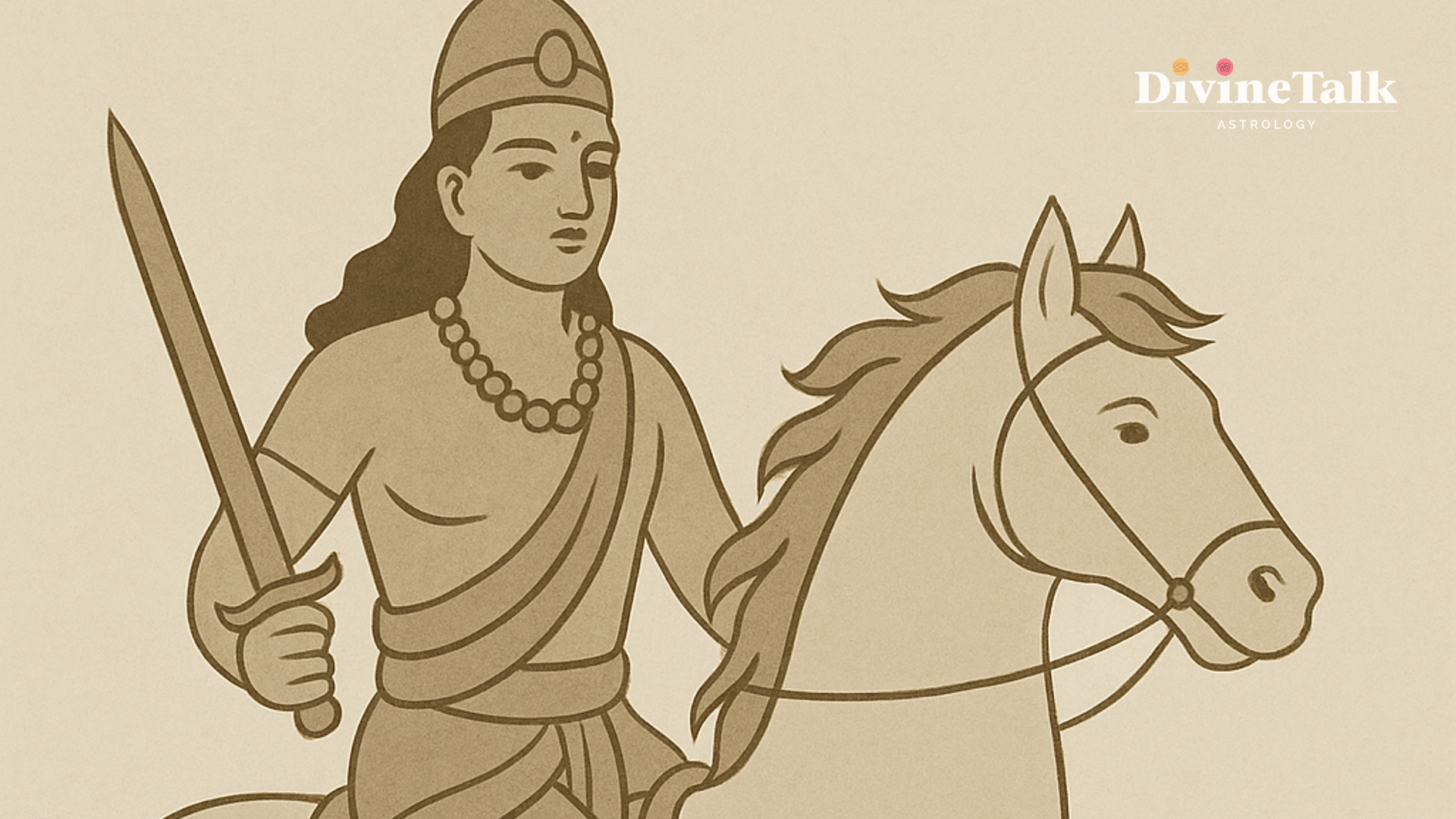
Kalki Jayanti 2026: When Is It and Why It Matters?
Somewhere between myth and mathematics sits a date that many Hindus mark quietly every year, without fanfare, without certainty, but with hope. Kalki Jayanti 2026 falls on 18 August, a Tuesday, and it commemorates the coming avatar of Vishnu who is described in tradition as arriving at the end of this age to restore dharma, or righteous order. Whether that arrival lies decades away or centuries away is not something anyone can calculate. But the date, the tithi, and the meaning behind the day are well established. When is Kalki Jayanti 2026?Kalki Jayanti 2026 falls on Tuesday, 18 August 2026. The Shashthi tithi (sixth lunar day) of Shukla Paksha in Shravana masa begins at 5:00 PM on 17 August and ends at 5:51 PM on 18 August. The puja muhurat, the recommended window for worship, runs from 4:21 PM to 5:50 PM on 18 August, about ninety minutes.That window matters for anyone planning the Kalki Jayanti 2026 puja time around work or travel. Most households keep it simple: a short prayer, a lit diya, and a few quiet minutes rather than an elaborate ritual stretched across the day.Kalki Jayanti 2026 Key TimingsDetailTimingDateTuesday, 18 August 2026TithiShravana Shukla ShashthiTithi Begins5:00 PM, 17 August 2026Tithi Ends5:51 PM, 18 August 2026Puja Muhurat4:21 PM – 5:50 PM, 18 AugustTo stay updated on the latest Vedic astrology events and festivals, download the Divinetalk app. Why is Kalki Jayanti celebrated?Kalki Jayanti is celebrated to honour the tenth and final avatar of Vishnu, described in the Puranas as appearing at the close of Kali Yuga, the current age marked by decline and disorder. Devotees see the day as a reminder that adharma, wrongdoing, imbalance, and injustice are never permanent. Something always arrives to correct it. That's the whole idea, distilled.Worth saying plainly, this is scripture, not history. No classical text gives a verifiable date for Kalki's birth, and DivineTalk will not pretend otherwise. What exists is a shared story, retold for generations, about balance returning when it's needed most. What is the story behind Lord Kalki Jayanti?The traditional reading describes Kalki as born to Vishnu Yasha and Sumati in a village called Sambhala, arriving on a white horse and carrying a blazing sword. His task, as the story goes, is to end the darkest phase of Kali Yuga and begin a new cycle of time, a fresh Satya Yuga marked by truth and order.It's a vivid image: sword raised, horse mid-gallop, an age ending in one decisive stroke. But it's an image from the Puranas, not a historical record. The Kalki Avatar's birth date is not something classical astronomy or archaeology has ever confirmed, and no credible source claims otherwise. Treat it as a moral story about renewal, not a countdown. Will Kalki be born in 2026?No. Kalki Jayanti 2026 is a day of remembrance and reflection, not a claim that the avatar will appear this year. Puranic tradition places Kalki's arrival near the end of Kali Yuga, a period traditionally described as spanning many thousands of years, nowhere close to concluding by most traditional reckonings. The festival marks devotion to the idea, not an event on a calendar. How does the Kalki Jayanti puja vidhi usually go?The Kalki Jayanti puja vidhi, or worship method, is typically simple and short. Most devotees bathe, wear clean clothes, and set up a small altar with an image or idol of Vishnu or Kalki. A diya is lit, incense is offered, and prayers are recited during the muhurat window. Some also read the vrat katha, the traditional story associated with the day.Wake early and bathe before sunrise, as is customary for most vrat daysClean the puja space and place an image of Vishnu or KalkiLight a diya and offer incense, flowers, and fruitRecite the Kalki Jayanti mantra or Vishnu Sahasranama during the muhuratRead or listen to the Kalki Jayanti vrat katha with familyConclude with aarti and share prasadIs there a fast on Kalki Jayanti?Yes, many observe a Kalki Jayanti vrat, a day-long fast similar in spirit to an Ekadashi fast, though Kalki Jayanti itself falls on Shashthi tithi, not Ekadashi. Some devotees eat only fruit and milk; others avoid grains until the puja is complete. As with most vrats in this tradition, it's a personal discipline, not an obligation, and should never be treated as a substitute for medical guidance on diet or health. What does Kalki symbolise, beyond the story?Kalki symbolises correction the idea that imbalance eventually meets its limit. Scholars writing on Vaishnava eschatology, including material summarised by the Encyclopaedia Britannica, describe Kalki less as a literal forecast and more as a theological statement: time is cyclical, and every cycle of decline is followed by renewal. That's a comforting frame for a hard year, or a hard decade.This reading also connects to broader Hindu cosmology around the four yugas, a subject explored in depth by resources like the Hindu American Foundation. None of it is meant as prophecy in the modern sense. It's meant as perspective. How does Kalki Jayanti connect to other festivals nearby?Kalki Jayanti sits close to several other observances on the 2026 calendar, and readers planning their festival calendar often look at them together. Shravana month is dense with ritual, a season that rewards a little planning.Those observing Kalki Jayanti often also mark Nag Panchami in the same lunar month, and some track the wider sky through events like the Jupiter transit into Ashlesha nakshatra, which shapes the astrological mood of the season. Readers who follow Shashthi observances closely may also find Skanda Sashti a useful companion festival to understand. What is the significance of the Kalki Jayanti mantra?The Kalki Jayanti mantra is chanted to invoke protection and clarity, not to summon a specific event. A commonly recited one is 'Om Kalki Namaha', kept short so it can be repeated easily during puja. Devotees also chant the Vishnu Sahasranama, the thousand names of Vishnu, since Kalki is understood as one of his forms.Chanting, in this context, is described as a practice for steadying the mind, not a remedy that guarantees any particular result. DivineTalk frames it that way deliberately. No mantra is sold as a fix. How is Kalki Jayanti celebrated across India?Kalki Jayanti celebration styles vary by region. In some Vaishnava temples, especially in North India, the day includes bhajans, kirtans, and readings from the Bhagavata Purana. In parts of the south, it's a quieter home observance: a diya, a prayer, a shared meal. There's no single uniform ritual, which says something about how personal this festival has always been. Final ThoughtDharma comes back. That's the line worth carrying out of this festival, more than any date or muhurat. Kali Yuga is described as hard, disordered, tiring, and still, tradition insists, temporary. Truth wins, eventually. Whether that's literal prophecy or a story a civilisation tells itself to keep going, the effect is the same: hope, renewed once a year, on a quiet evening in Shravana. FAQsWhat is Kalki Jayanti and why is it celebrated?Kalki Jayanti honours the traditional birth of Kalki, the tenth avatar of Vishnu, described in the Puranas as appearing at the end of Kali Yuga to restore dharma. It's celebrated as a day of hope and reflection, not a historical anniversary. When is Kalki Jayanti 2026?Kalki Jayanti 2026 falls on Tuesday, 18 August 2026, during Shravana Shukla Shashthi. The puja muhurat runs from 4:21 PM to 5:50 PM that day. Is there a fast on Kalki Jayanti?Yes, many devotees observe a Kalki Jayanti vrat, eating light or fasting until the evening puja is done. It follows the same spirit as other vrat days, though it falls on Shashthi tithi rather than Ekadashi. When will Kalki Avatar appear?No verifiable date exists for Kalki's appearance. Tradition places it near the end of Kali Yuga, a period described in Puranic texts as lasting many thousands of years, not something that can be calculated or predicted. Will Kalki be born in India?Puranic tradition names a village called Sambhala as Kalki's birthplace, generally associated with the Indian subcontinent in classical descriptions. This remains a scriptural detail, not a claim that can be historically verified.Dharma comes back. That's the line worth carrying out of this festival, more than any date or muhurat. Kali Yuga is described as hard, disordered, tiring — and still, tradition insists, temporary. Truth wins, eventually. Whether that's literal prophecy or a story a civilisation tells itself to keep going, the effect is the same: hope, renewed once a year, on a quiet evening in Shravana.
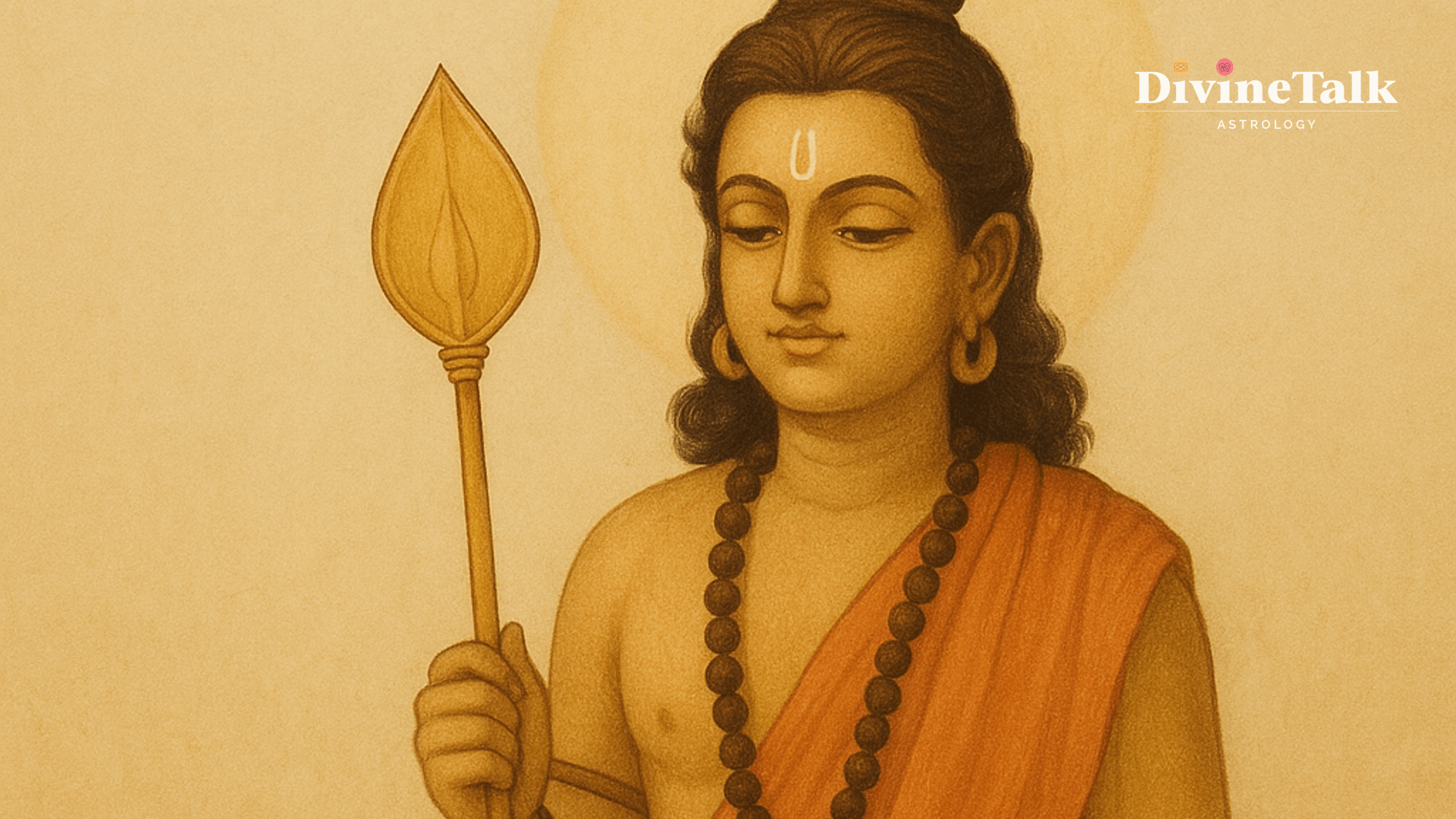
Skanda Sashti 2026: Date, Puja Vidhi & Significance Explained
Every month, on the sixth day after the new moon, devotees across India turn towards Lord Murugan and observe a fast that celebrates courage over fear. Skanda Sashti 2026 brings twelve such sacred observances through the year, with each one dedicated to Lord Skanda, also known as Murugan, Kartikeya, or Subramanya. Among these, the annual Kanda Sashti observed in November is especially significant in Tamil traditions because it culminates in Soora Samharam, the celebration of Lord Murugan's victory over the demon Soorapadman.Skanda Sashti 2026 falls on multiple dates across the Hindu calendar since it repeats every lunar month. The major Kanda Sashti and Soora Samharam observance takes place in November, with the six-day Kanda Sashti Vratam beginning on 10 November and Soora Samharam observed on 15 November 2026. This guide covers the Skanda Sashti 2026 dates, timings, puja vidhi (worship method), fasting rules, and the story behind this beloved festival. If you want help organizing a pooja, visit the Divinetalk app and talk to an astrologer right this instant. What is Skanda Sashti?Skanda Sashti is a monthly Hindu vrat (vow or fast) dedicated to Lord Skanda, also known as Murugan, Kartikeya, or Subramanya. Sashti means the sixth lunar day, and the monthly Skanda Sashti is observed on Shukla Paksha Sashti, the sixth day of the waxing fortnight.Devotees observe this day to honour Skanda and seek courage, protection, and inner strength through fasting and prayer. The festival is also closely connected with the traditional story of Lord Murugan's battle with the demon Soorapadman, particularly during the annual Kanda Sashti observance.You will find the festival called by different names depending on region. Tamil Nadu calls it Kanda Sashti, devotees may write it as Skanda Shastii, and Murugan temples worldwide may refer to it simply as Murugan Sashti. These names are used within traditions that honour the same deity, although the specific observance and regional customs can differ. When is Skanda Sashti 2026?Skanda Sashti occurs every month on Shukla Paksha Sashti, the sixth lunar day of the waxing moon. In 2026, the monthly observances fall on the following dates. The exact tithi timings can vary by city.Skanda Sashti 2026 Dates Through the YearMonthDateDayJanuary24 January 2026SaturdayFebruary22 February 2026SundayMarch24 March 2026TuesdayApril22 April 2026WednesdayMay21 May 2026ThursdayJune19 June 2026FridayJuly19 July 2026SundayAugust17 August 2026MondaySeptember16 September 2026WednesdayOctober16 October 2026FridayNovember15 November 2026SundayDecember15 December 2026Tuesday The November observance is particularly important in Tamil traditions because it is associated with the annual six-day Kanda Sashti festival and Soora Samharam. Drik Panchang lists Kanda Sashti Vratam beginning on 10 November 2026 and Soora Samharam on 15 November 2026. What are the Skanda Sashti 2026 timings for the main observance?For the monthly Skanda Sashti observances, the exact tithi and puja timings depend on the city because lunar-day calculations are location-sensitive.For the December Skanda Sashti in New Delhi-region calculations, the Sashti tithi begins around 7:15 PM on 14 December 2026 and ends around 9:19 PM on 15 December 2026. The observance is listed as Subrahmanya Sashti on Tuesday, 15 December 2026.For the major Kanda Sashti 2026, the six-day observance begins on 10 November, while Soora Samharam is observed on 15 November 2026.Timings shift slightly by city because tithi calculations depend on local sunrise and sunset. Always check the Skanda Sashti 2026 puja time for your own location before you begin your vrat, since local Panchang calculations can differ. What is the significance of Skanda Sashti?Skanda Sashti significance lies in its central story: the victory of good over evil. In the traditional Kanda Sashti narrative, Lord Murugan battles the powerful demon Soorapadman and defeats him after six days of battle. This victory is commemorated through the annual Soora Samharam celebration.Victory of Good Over EvilDevotees believe that observing Skanda Sashti helps them overcome their own inner battles - fear, doubt, and negativity. The story of Soorapadman's defeat is retold as a reminder that courage and devotion can help overcome darkness, however powerful it may seem.This is why Skanda Sashti is not just a ritual day but a living lesson. Families gather to hear the vrat katha (fasting story), children learn about Murugan's bravery, and devotees reflect on the qualities of courage and devotion. Who Observes Skanda Sashti?Devotees of Lord Murugan across Tamil Nadu, Karnataka, and Andhra PradeshFamilies seeking courage, protection, and clarity in difficult timesAnyone drawn to Lord Murugan fasting as a monthly spiritual practiceDevotees observing Subramanya Sashti at temples like Palani, Tiruchendur, and SwamimalaiWhether you are new to this vrat or have observed it for years, Skanda Sashti welcomes every sincere heart. The practice asks only for discipline and devotion, not perfection. How do you perform Skanda Sashti puja vidhi?Skanda Sashti puja vidhi (worship method) can be simple for the monthly observance, while the annual Kanda Sashti tradition involves a longer six-day vrata leading up to Soora Samharam. The core steps are simple: wake early, bathe, offer prayers to Murugan, follow the fasting practice appropriate to your tradition, and conclude with worship.Wake before sunrise and take a purifying bathWear clean clothes, preferably in red or saffron tonesLight a lamp before an image of Lord Murugan or SkandaOffer flowers, vibhuti (sacred ash), and fruitsRecite the Skanda Sashti mantra or Shanmukha GayatriRead or listen to the Skanda Sashti vrat kathaVisit a Murugan temple if possible, especially during the annual Kanda Sashti celebrationsBreak the fast according to your family's or temple's traditionMany devotees follow guidance similar to that outlined by the Hindu Panchang calendar, which tracks tithi timings precisely across Indian cities. Temple bodies such as the Tamil Nadu HR CE Department, which administers major Murugan temples, also publish official puja schedules for the season. What are the Skanda Sashti fasting rules?Skanda Sashti fasting rules vary between families, temples, and regional traditions. For a monthly Skanda Sashti, devotees may observe a one-day fast, while the annual Kanda Sashti tradition involves many devotees observing a six-day vrata leading up to Soora Samharam. Some devotees observe stricter fasting practices, while others follow a simpler sattvic diet.Avoid non-vegetarian food, alcohol, and tobacco during the vratMany devotees eat only fruits or a single sattvic mealGrains and pulses may be avoided by stricter observersSpeak gently, avoid arguments, and keep the mind calmChildren, elderly people, and those with health conditions may observe a modified fastThese are traditional practices passed down through generations, not medical prescriptions. If you have any health condition, speak with your doctor before making changes to your diet or fasting routine. What is the Skanda Sashti vrat katha?The Skanda Sashti vrat katha tells of the powerful demon Soorapadman, who used his strength and boons to trouble the gods and sages. In the traditional story, Lord Murugan battles Soorapadman over six days and ultimately defeats him.According to the popular Kanda Sashti tradition, after his defeat, Soorapadman is transformed: one part becomes Murugan's peacock vehicle, while another becomes the rooster emblem on his flag.This story is retold during Kanda Sashti as a reminder that even the fiercest darkness can be transformed through courage and devotion. Reading or hearing this katha is considered an important part of the observance for many devotees. What is the Skanda Sashti mantra?The most commonly chanted Skanda Sashti mantra is the Shanmukha Gayatri, recited to invoke Murugan and his six-faced form. Devotees also chant simple names like "Om Saravanabhava" repeatedly through the day, a practice believed to calm the mind and build focus during the fast.Om Saravanabhava Namaha - a popular Murugan mantraShanmukha Gayatri - chanted during formal pujaSkanda Shashti Kavasam - a protective hymn many devotees recite in TamilChanting need not be complicated. Devotees can experience a sense of steadiness simply from repeating a divine name with sincerity, whether once or a hundred times. What is Soora Samharam and how is it different from other Sashti days?Soora Samharam is the climactic event of the annual Kanda Sashti festival, when Lord Murugan defeats the demon Soorapadman. While monthly Skanda Sashti observances honour Murugan throughout the year, the annual Kanda Sashti in the Tamil tradition is a much larger six-day festival culminating in Soora Samharam.In 2026, Kanda Sashti Vratam begins on 10 November and Soora Samharam is observed on 15 November. Temples like Tiruchendur hold grand processions and dramatic re-enactments of this battle. The six-day celebrations culminate with Soora Samharam, followed by Thiru Kalyanam in the traditional festival sequence.If you are looking for the most elaborate annual Murugan observance connected with the Soora Samharam story, Kanda Sashti in November is the one to look for, rather than the monthly Sashti in December. How is Skanda Sashti different from Subramanya Sashti?Skanda Sashti and Subramanya Sashti are both names used in traditions dedicated to Lord Murugan, but they can refer to different observances depending on the lunar month and regional calendar.For example, the December 15, 2026 observance is listed as Subrahmanya Sashti, while the November 15 observance is associated with Soora Samharam and Kanda Sashti.So while Skanda, Subramanya, Kartikeya, and Murugan are names of the same deity, the names of the festivals should not automatically be treated as interchangeable in every regional context. How does observing Skanda Sashti change you?Devotees often describe the vrat as a period of discipline, prayer, and reflection. The combination of fasting, devotion, and the story of courage over fear can encourage a person to approach personal struggles with greater steadiness.The practice can be used as an opportunity to:Develop greater discipline through fastingSpend more time in prayer and reflectionReconnect with Murugan worship and family traditionsReflect on courage, patience, and devotionSkanda Sashti asks little more than sincerity, and in return, it offers a reminder that courage and devotion can help us face the difficulties in life with greater strength. Explore Your Personal AstrologySkanda Sashti is a sacred observance, but its meaning can also be understood through your own birth chart and relationships. Open the DivineTalk app to check your Janam Kundli, explore your planetary placements, or use Love Matching to understand compatibility with your partner. For personalised guidance, you can also connect with a Vedic astrologer through the app. FAQsWhat are the dates for Skanda Sashti in 2026?Skanda Sashti 2026 occurs monthly, with dates falling on 24 January, 22 February, 24 March, 22 April, 21 May, 20 June, 20 July, 18 August, 16 September, 16 October, 15 November, and 14-15 December. The December date marks the main Soora Samharam observance. What is the difference between Skanda Sashti and Subramanya Sashti?There is no real difference. Both names refer to the same festival honouring Lord Murugan, also called Skanda and Subramanya. The naming varies by region, with South Indian devotees often using Subramanya or Kanda Sashti. How long is Kanda Shasti?Kanda Sashti, the main December observance, runs across six days, ending with Soora Samharam on the sixth day. Monthly Skanda Sashti observances typically last just one day, centred on the Sashti tithi. In which month is Skanda Sashti celebrated?Skanda Sashti is celebrated every Hindu lunar month, but the most significant occurrence falls in the month of Margashirsha, which corresponds to November-December in 2026, specifically 14-15 December. Can I observe Skanda Sashti without a strict fast?Yes, Devotees with health conditions, children, and elderly family members can observe a modified fast, eating light satvik meals instead of a complete fast, while still participating in prayers and the vrat katha reading.

Jupiter Transit in Ashlesha Nakshatra 2026: Dates & Effects
Jupiter Transit in Ashlesha Nakshatra 2026: Dates EffectsGuru is switching addresses again, and this time he is moving into one of the most talked-about, most misunderstood nakshatras in the zodiac. Jupiter Transit in Ashlesha Nakshatra 2026 begins on August 19, 2026, when Jupiter, the planet of wisdom and expansion, moves into Ashlesha, the nakshatra of serpents, secrets, and sharp intuition. For roughly ten weeks, Guru's usual generosity meets Ashlesha's intensity, and the combination is anything but ordinary.This transit matters because Jupiter's expansive nature meets Ashlesha's private and intense energy. Guru is associated with wisdom, growth, and higher knowledge, while Ashlesha, ruled by Mercury and associated with the Nagas (serpent deities), is traditionally connected with strategy, intuition, secrecy, and emotional depth. When the two meet, the effect on your chart depends heavily on which house Cancer occupies for you and how your Moon and Mercury are placed. You can check your own placements using a free Kundli if you haven't already.When exactly does Jupiter enter Ashlesha Nakshatra in 2026?Jupiter enters Ashlesha Nakshatra on August 19, 2026, at approximately 3:12 AM IST according to one sidereal transit calculation for New Delhi. Exact timings can vary slightly depending on the calculation system and location. Guru had already entered Cancer earlier in the year and spent time moving through Punarvasu and Pushya Nakshatras before this shift.Jupiter remains in Ashlesha until around October 30–31, 2026, after which it moves toward Magha Nakshatra in Leo. For readers tracking the wider sky this season, Guru Gochar 2026 is not happening in isolation. The Sun's own shift into Leo brings its own weather system, and you can read the details in Sun Transit in Leo 2026: How Will It Affect Your Sign? to see how the two transits overlap for your Moon sign. You can also check your Daily Horoscope for day-to-day guidance while this transit is active.Jupiter's 2026 Journey Through Cancer's NakshatrasNakshatraApprox. Start DateApprox. End DatePunarvasu (Pada 4)Earlier transitJune 18, 2026PushyaJune 18, 2026August 19, 2026AshleshaAugust 19, 2026October 30–31, 2026These dates are approximate and can vary slightly depending on the astronomical calculation system used.Why is Ashlesha Nakshatra considered such a complex placement for Jupiter?Ashlesha Nakshatra sits at the last stretch of Cancer, ruled by Mercury and symbolised by the coiled serpent. It represents hidden knowledge, emotional intensity, intuition, and the ability to sense what lies beneath the surface. Some Vedic astrologers consider Jupiter's movement through Ashlesha a more complex transit because Jupiter's expansive and philosophical nature meets Ashlesha's private, strategic, and psychologically intense qualities.The Ashlesha Nakshatra lord is Mercury, and its ruling deities are the Nagas, the serpent beings associated with transformation and hidden forces in traditional Hindu and Vedic symbolism. When Guru, who governs dharma, teachers, and expansion, moves through a nakshatra this deeply psychological, the questions it raises can be about trust, discernment, and where you have been expanding without enough awareness.Is Jupiter in Ashlesha good or bad?Jupiter in Ashlesha is neither purely good nor bad. Its effects depend on the individual's birth chart, the house involved, planetary aspects, and the condition of Jupiter and Mercury.At a broader level, this transit can be interpreted as a period for sharper intuition, deeper learning, strategic thinking, and greater awareness of hidden motivations. The challenge can come from becoming overly suspicious, controlling, or overconfident in your ability to understand a situation.Rather than viewing this transit as a guaranteed period of good or bad fortune, it is more useful to see it as a time when discernment can become as important as expansion.How will Jupiter in Ashlesha Nakshatra affect the 12 zodiac signs?Jupiter transit effects in 2026 will not feel identical for everyone. In Vedic astrology, the interpretation depends on whether the transit is being assessed from the Moon sign, Ascendant, or the complete birth chart. The following is therefore a broad sign-based interpretation rather than a personalised prediction.SignPredictionAriesJupiter's movement through Cancer can bring greater attention to home, family, emotional security, and property matters. Avoid rushing into important financial or property decisions.TaurusCommunication, learning, short journeys, and relationships with siblings may become more prominent. Think carefully before speaking when emotions are running high.GeminiFinancial planning, family resources, and speech may require greater attention. Jupiter's connection with Mercury-ruled Ashlesha can make careful communication particularly important.CancerThis transit takes place in your own sign, making it a personally significant period. Emotional patterns, family matters, self-understanding, and personal growth can come into sharper focus.LeoJupiter's movement through the final portion of Cancer can encourage reflection before the planet moves into Leo's next nakshatra phase. Rest, emotional preparation, and private planning can be useful.VirgoFriendships, networks, long-term goals, and communication may receive greater attention. Avoid overanalysing every conversation or assuming hidden intentions without evidence.LibraCareer responsibilities and public image can become important themes. Strategic thinking may help, but avoid workplace politics or decisions based purely on assumptions.ScorpioHigher education, travel, beliefs, and spiritual learning can become more prominent. The transit can encourage you to look beneath the surface of ideas rather than accepting everything at face value.SagittariusJupiter's movement through Cancer may bring greater attention to shared finances, emotional bonds, and deeper transformation. Be especially careful with financial commitments.CapricornPartnerships and one-to-one relationships may become more important. Honest communication can prevent suspicion or emotional misunderstandings from growing.AquariusWork routines, responsibilities, health habits, and service may require greater attention. A disciplined approach can help you make the most of the transit.PiscesCreativity, education, romance, children, and spiritual interests can become stronger themes. This can be a useful period for deeper learning, provided you avoid impulsive decisions.These are general Vedic astrology interpretations. A person's actual experience can differ considerably depending on their Janam Kundli. What remedies are traditionally suggested during Jupiter Ashlesha transit?Traditional remedies for a challenging Jupiter transit focus on strengthening Guru's qualities of patience, honesty, wisdom, and guidance rather than trying to force outcomes. These are described here as supportive spiritual practices, not cures for hardship, and they work best alongside ordinary practical caution in finances and relationships.Chant the Guru mantra or recite Vishnu Sahasranama on Thursdays, traditionally associated with Jupiter.Offer turmeric, chana dal, or yellow flowers at a temple as an act of devotion and humility.Donate food, educational materials, or useful items to teachers, students, or people in need as a traditional Jupiter-related practice.Practise restraint in speech, particularly when dealing with emotionally sensitive situations.Spend time studying, teaching, or sharing knowledge, activities traditionally associated with Jupiter.Consider a Yellow Sapphire gemstone after consulting an experienced astrologer, since gemstone recommendations depend heavily on the individual's birth chart and planetary strength.These practices should be approached as spiritual or traditional remedies rather than guaranteed solutions to specific problems.Where is Jupiter transiting after Ashlesha?As of the second half of 2026, Jupiter is moving through Cancer, having crossed Punarvasu and Pushya before entering Ashlesha on August 19. Once the Ashlesha phase concludes around October 30–31, Jupiter moves toward Magha Nakshatra in Leo.This creates a noticeable shift in the symbolism of the transit. Ashlesha is associated with introspection, emotional depth, strategy, and hidden matters, while Magha is traditionally connected with ancestry, authority, heritage, and leadership.Is 2026 significant for Ashlesha Nakshatra natives?For people born under Ashlesha Nakshatra, Jupiter's transit through the same nakshatra can be considered an important period for reflection and personal development. In traditional astrology, a transit over one's birth nakshatra can bring greater attention to the themes associated with that nakshatra.This may be a useful period for understanding emotional patterns, resolving old family issues, pursuing education, and developing greater self-awareness. However, it should not automatically be considered lucky or unlucky. The actual significance depends on the person's Moon placement, Ascendant, planetary periods, and complete birth chart.If you want to understand how this Jupiter transit interacts with your individual placements, generating your Janam Kundli can provide a more personalised starting point than relying only on your Sun or Moon sign. Download the Divinetalk app now, to have expert astrologers one click away 24x7.
Sun Transit in Leo 2026: How Will It Affect Your Sign?
On Monday, 17 August 2026, at 7:50 am, the Sun steps out of Cancer and walks into Leo, its very own zodiac sign, and Vedic astrology treats this moment like a king returning home. This event, called Simha Sankranti, is not just another monthly shift, and it's fitting that the Sun makes this move right as Leo Season 2026 is already in full swing. The Sun rules identity, confidence, and leadership, and when it sits in the sign it owns, its influence sharpens for everyone, whether you are a Leo by birth or simply want to know what the month ahead holds. EventDetailsSimha Sankranti17 Aug, 7:50 amPunya Kaal window5:51 am – 8:04 am (2 Hours 11 minutes)Transit start/end17 Aug – 16 Sep 2026 What is Sun Transit in Leo 2026?Sun Transit in Leo 2026 refers to the period when the Sun, known as Surya in Vedic astrology, moves through the constellation of Leo (Simha Rashi) from 17 August to 16 September 2026. Since Leo is the Sun's own sign, this is considered a naturally strong and dignified placement, often linked to gains in confidence, recognition, and leadership for those willing to act with purpose. What is the exact time of Simha Sankranti 2026?Simha Sankranti 2026 falls on Monday, 17 August, with the Sun entering Leo at 7:50 am, according to Vedic Surya Gochar (Sun transit) calculations for New Delhi. The Punya Kaal, the auspicious window traditionally kept for charity, bathing rituals, and prayer on Sankranti day, runs from 5:51 am to 8:04 am (2 hours and 11 minutes) this year, so most households plan their morning puja accordingly.This year carries an extra layer of meaning. The transit lands on a Shravan Somvar, a Monday during the holy month of Shravan that is already dedicated to Lord Shiva. Many families extend their Monday fasting and prayers to also mark the Sun's entry into Leo, treating the day as doubly sacred. Why is Sun entering Leo considered special?The Sun enters its own sign only once a year, and this self-owned placement, called swagrahi in Vedic astrology, is read as a period of strength rather than struggle for the Sun. Just as a person feels more confident in their own home, the Sun is believed to express its core qualities of vitality, authority, and clarity more fully while transiting through Leo.This is why astrologers pay closer attention to Surya Gochar 2026 during this particular window. Career visibility, relationships with authority figures, and your general sense of self-worth are the themes most commonly linked to this transit. It is a month to notice where you have been playing small, and where a little more courage could help. If you want to see exactly how this transit lines up with your own chart, checking your free Kundli is a good place to start. How does Sun transit in Leo affect zodiac signs?Sun transit in Leo affects each zodiac sign differently depending on which house Leo occupies in your birth chart. In general, Leo, Aries, and Sagittarius, being fire signs, tend to feel an extra lift in energy and confidence, while earth and water signs may experience a slower, more reflective month focused on inner steadiness rather than outward action.Zodiac SignLikely Focus AreaAriesCareer visibility and public recognitionTaurusHigher learning, travel plans, belief systemsGeminiShared finances and deeper partnershipsCancerOne-to-one relationships and negotiationsLeoPersonal confidence, health routines, daily habitsVirgoCreativity, romance, and self-expressionLibraHome life, family bonds, sense of securityScorpioCommunication, siblings, short journeysSagittariusIncome, savings, and self-worthCapricornIdentity, appearance, personal goalsAquariusRest, reflection, and letting go of the pastPiscesFriendships, community, and long-term goalsRemember, this table shows broad patterns based on Moon sign. A personalised chart reading always gives a sharper picture, since your rising sign and existing planetary periods, or dashas, shape how strongly you feel this transit. What changes during Sun in Leo 2026 for career and confidence?Sun in Leo 2026 traditionally supports leadership roles, public speaking, and situations where you need to be seen and heard. Many people find it easier to ask for a raise, pitch an idea, or take charge of a project during this month. Astrologers describe this as an ideal window for stepping into visibility rather than waiting to be noticed.That said, the same fire that fuels confidence can also fuel ego clashes. Leo season has a reputation for bringing out both the best leaders and the loudest arguments in a room. Being aware of this tendency helps you use the transit's energy well instead of letting pride take over a conversation that needs patience. How should you approach puja, daan, and remedies this month?On Simha Sankranti, many households offer water to the rising sun, a practice called Surya Arghya, along with red flowers, jaggery, and wheat. According to the Britannica entry on Surya, the Sun has long been worshipped in Indian tradition as a source of life and vitality, which is why Sun-focused rituals are common on days when the Sun changes signs.Offer water (Arghya) to the rising Sun on the morning of 17 August 2026, ideally within the Punya Kaal window.Donate wheat, jaggery, copper items, or red cloth as daan (charity) to those in need.Chant the Aditya Hridayam or simple Surya mantras as part of your morning routine, if that is part of your practice.Wear or use warm colours like red, orange, or gold during Leo season as a small daily reminder of confidence and clarity.Some also consider wearing a Sun-related gemstone like Ruby during this period, though this is best done after consulting an astrologer who can check your chart first. You can explore options in our gemstone collection.Avoid harsh words or unnecessary ego battles at work or home, since Leo energy amplifies pride on both sides.None of these practices guarantee a specific outcome. They are traditional ways of aligning your intentions with the energy of the season, not shortcuts that replace effort, patience, or good judgment in your daily life.Since this transit falls in Shravan, a month already rich with vrats (fasting rituals) and observances, you may also want to plan around related festivals. Our guide on Nag Panchami 2026 vrat dos and don'ts is a useful companion if you are organising your Shravan calendar alongside Simha Sankranti. Which month is considered more demanding for Leo in 2026?Astrologers generally flag periods when transiting Saturn or Rahu form challenging angles to Leo's ruling Sun as the more demanding stretches of the year, rather than the Sun's own transit through Leo. The Sun's visit to its own sign in August and September is usually read as one of the steadier, more supportive months for Leo natives, not a difficult one. Will 2026 be a good year for Leo overall?For Leo natives, 2026 brings a mix of steady growth and a few tests of patience, much like most years do. The Sun transit in Leo in August and September is typically one of the more favourable windows, supporting confidence, health routines, and personal projects. According to timeanddate's overview of zodiac and solar movement, the Sun's path through the signs is a fixed astronomical cycle, and Vedic astrology layers its symbolic meaning on top of this predictable rhythm. What should you keep in mind through mid-September?Use the weeks between 17 August and 16 September 2026 to review where you have been undervaluing your own contribution, at work or at home. This is a good window for having honest conversations, starting new health habits, or simply standing a little taller in situations where you usually hold back. Small, consistent action matters more than grand gestures during this transit. FAQsWhat is the exact time of Simha Sankranti 2026?Simha Sankranti 2026 falls on Monday, 17 August, with the Sun entering Leo at 7:50 am, as per Surya Gochar timings calculated for New Delhi. The Punya Kaal period for rituals typically follows for several hours after this moment. How does the Sun's transit in Leo affect zodiac signs differently?The effect depends on which house Leo falls in for your Moon sign. Fire signs like Aries, Leo, and Sagittarius usually feel more energy and visibility, while other signs experience the shift in areas like relationships, finances, or daily routines, as shown in the table above. Is Sun transit in Leo good for starting new projects?Yes, many astrologers consider this a supportive period for launching visible projects, applying for promotions, or taking on leadership roles, since the Sun is strong in its own sign. It is not a guarantee of success, but a favourable backdrop for confident action. Do I need to fast or do a special puja on Simha Sankranti?No fast or ritual is compulsory. Many households simply offer water to the Sun in the morning and donate wheat or jaggery as daan. These are traditional practices of gratitude, not medical or financial remedies, and you can adapt them to your own beliefs and comfort. Which sign benefits the most from Sun transit in Leo 2026?Leo natives typically feel the most direct benefit since the Sun is transiting their own sign, boosting confidence and self-expression. Aries and Sagittarius, as fellow fire signs, also tend to experience a noticeable rise in motivation and visibility during this month.
Nag Panchami 2026 Vrat: Dos, Don'ts and Simple Remedies
Every Sawan, somewhere in your neighbourhood, a small steel or brass snake idol gets a gentle bath of milk while someone hums a prayer nobody quite remembers learning. Naag Panchami 2026 falls on Monday, 17 August 2026, and it brings back that same quiet ritual across Indian homes and temples. This guide gives you the exact date, the puja muhurat (auspicious window), the step-by-step vidhi (method), and the simple dos and don'ts you need, without any fear or guesswork. When is Naag Panchami 2026?Nag Panchami 2026 falls on Monday, 17 August 2026. The Panchami tithi (fifth lunar day) begins around 4:52 PM on 16 August 2026 and ends around 5:00 PM on 17 August 2026. Because most of the daytime hours of 17 August fall within Panchami tithi, that is the day observed across most of North India, including Uttar Pradesh, Bihar, and Madhya Pradesh. Always confirm the exact timing with your local Panchang, since tithi calculations can shift slightly by city. This small window between two dates is exactly why you may have seen both 16 and 17 August mentioned online. The tithi technically starts on the evening of the 16th, but since it does not cover the sunrise or main daytime hours that day, the vrat (fast or vow) and puja are kept on 17 August, following the Udaya Tithi rule, where the tithi prevailing at sunrise decides the day of observance. What is Nag Panchami puja muhurat for 2026?The most recommended Naag Panchami 2026 puja muhurat falls in the morning hours after sunrise on 17 August 2026, generally between roughly 6:00 AM and 8:30 AM local time, when the Panchami tithi is still active and the day is considered fresh and pure. Some households also perform the puja again in the late afternoon before the tithi ends around 5:00 PM. Treat these as general windows and verify the precise Nag Panchami puja time for your city using a trusted Panchang or your family priest. If your mornings are rushed, you do not need to worry. A sincere puja done a little later in the day, within the Panchami tithi, is considered just as meaningful. The devotion behind the offering matters far more than catching the perfect minute. Why do we celebrate Naag Panchami during Sawan?Nag Panchami falls during Sawan (the monsoon month sacred to Lord Shiva) because snakes, or Nag Devta, are closely linked to Shiva, who wears a serpent, Vasuki, around his neck. Monsoon is also when snakes leave flooded burrows and appear more often in fields and homes, so this festival traditionally combines reverence for Shiva with a practical respect for these creatures during the season they are most visible. This is one reason Naag Panchami Sawan timing feels so natural to devotees. The rains, the symbolism, and the agricultural calendar all meet on this one day, making it a festival of both spiritual devotion and everyday coexistence with nature. What is the significance of Naag Panchami?Naag Panchami's significance lies in honouring Nag Devta as protectors and symbols of fertility, power, and the unseen energies of the earth. Traditional readings describe snakes as guardians of hidden treasures and cosmic balance. Worshipping them on this day is believed to bring protection from fear, harmony in the home, and blessings for the land, though no specific outcome can ever be guaranteed for any individual. Many families also connect the day with the Naag Panchami vrat katha, a traditional story passed down through generations about a farmer's daughter who fed milk to snakes her brother had accidentally harmed, and was blessed in return. There are regional variations of this katha, and it is best heard as a moral tale about compassion rather than a literal historical record. How do you perform Naag Panchami puja at home?To perform Naag Panchami puja at home, wake up early, bathe, and wear clean clothes. Make a sankalp (a short spoken resolve stating your intention for the puja). Draw or place an image of Nag Devta near your worship area, offer milk, turmeric, flowers, and rice, and light a diya (lamp) while chanting a simple Nag Panchami mantra. Close with an aarti and share the offered milk or sweets with family. Wake up before sunrise and bathe to prepare for the puja.Clean your worship space and place an idol, image, or drawing of Nag Devta.Take a short sankalp, silently or aloud, stating your intention for the puja.Offer milk, turmeric, kumkum, flowers, and unbroken rice to the image. (Do not feed these to real snakes!!)Light a diya and incense, and chant a Naag Panchami mantra or the names of Nag Devta with devotion.Read or listen to the Nag Panchami vrat katha with family.Perform a simple aarti and distribute prasad (offered food) to those at homeYou do not need an elaborate setup for this puja vidhi to feel complete. A clean corner, a picture of a snake or Shiva, some milk, and a quiet ten minutes are enough. What matters most is the sincerity you bring to each step, not the scale of the arrangement. What should you do on Nag Panchami?On Naag Panchami, focus on cleanliness, calm, and simple offerings rather than elaborate rituals. Keep your actions gentle and your intentions clear, since this day is meant for reverence, not performance. Bathe early and wear fresh clothes before the puja.Offer milk, turmeric, and flowers to an image of Nag Devta rather than to live snakes.Recite the vrat katha or listen to it with elders in the family.Keep your speech soft and avoid arguments through the day.Donate food or clothes to those in need if you are able to.Visit a Shiva temple if one is nearby, since Nag Devta and Shiva are worshipped together on this day. What should not be done on Naag Panchami?On Naag Panchami, you should avoid digging the earth and ploughing fields. These practices come from an older agricultural caution against disturbing burrows where snakes may be resting during monsoon. The day is meant for gentleness toward all living beings, not for tasks that involve cutting or digging. 1. Avoid digging or ploughing the soil on this day.2. Avoid frying food in oil in many regional traditions, favouring steamed or boiled dishes instead.3. Avoid using sharp metal tools like knives and sickles on the ground.4. Avoid harming, capturing, or forcing live snakes to perform for money, a practice that is also illegal under Indian wildlife law.5. Avoid speaking harshly or starting new conflicts on this day.None of these restrictions are meant to frighten you. They are gentle reminders to slow down for one day and treat the earth and its creatures with a little more care. Can you eat food during the Nag Panchami vrat?Yes, you can eat food during the Nag Panchami vrat, since most people observe it as a partial fast rather than a complete one. Many devotees eat once a day, avoid fried and oily food, and skip non-vegetarian meals and alcohol. Some people who take a stricter vrat consume only fruits or milk. Choose the level of fasting that suits your health and daily routine, and never fast in a way that harms your body. Is Naag Panchami good for Sarpa Dosha?In some Vedic astrology traditions, Nag Panchami is considered an appropriate day for remedies associated with Naga Dosha or Sarpa Dosha. The interpretation of these combinations varies between astrologers, so the remedy should ideally be based on an individual's Kundli rather than assumed from a general rule. Worshipping Nag Devta on this day is seen as a way to seek relief and peace of mind. This should be understood as a supportive spiritual practice, not a guaranteed cure or a substitute for medical, legal, or financial advice. Simple Naag Panchami remedies you can tryIf you are looking for gentle Naag Panchami remedies, keep them simple and rooted in respect rather than anxiety. These practices are meant to bring a sense of calm and connection, not to promise specific results.Offer milk and turmeric to a Naag Devta idol or picture at home or in a temple.Chant the Om Namah Shivaya mantra or a simple salutation to Naag Devta with focus.Light a diya near a peepal tree in the evening if one is accessible near your home.Feed birds or stray animals as an act of compassion on this day.Keep a small period of silence or meditation in the morning before starting your day.Festivals like this one sit inside a much larger tradition of Indian timekeeping and astrology, where specific dates and moments are chosen with care. If you are curious how deeply Indian astrology has shaped major national moments, you may enjoy reading about the astrology behind India's midnight independence in 1947, which explores how timing and tradition intersect in Indian history. Nag Panchami 2026 at a glanceNag Panchami 2026 key timings DetailTimingNaag Panchami 2026 dateMonday, 17 August 2026Panchami tithi beginsAround 4:52 PM, 16 August 2026Panchami tithi endsAround 5:00 PM, 17 August 2026Recommended morning puja windowAround 6:00 AM to 8:30 AM, 17 August 2026Treat this table as a quick reference only. Tithi timings shift slightly depending on your city, so cross-check with a local Panchang or a trusted priest before finalising your puja plan for the day. For a glance into how your personal astrology works, download the Divinetalk app now. FAQs related to Naag Panchami 2026When is Naag Panchami 2026?Nag Panchami 2026 falls on Monday, 17 August 2026, based on the Panchami tithi that is active through most of that day's daylight hours. What is the best Naag Panchami puja time in 2026?Most households prefer the morning window between roughly 6:00 AM and 8:30 AM on 17 August 2026, though afternoon puja before the tithi ends around 5:00 PM is also acceptable. Can we eat food during Nag Panchami vrat?Yes, most people eat one simple, non-fried, vegetarian meal during the vrat. Stricter observers may take only fruits or milk, but this should always suit your personal health needs. Is Nag Panchami good for Sarpa Dosha remedies?Yes, it is traditionally considered a suitable day for Sarpa Dosha related worship and remedies, though these practices support peace of mind and are not a guaranteed fix. For health concerns, always consult a qualified doctor rather than relying on rituals alone. What should not be done on Naag Panchami?Avoid digging the earth, using sharp tools unnecessarily, frying oily food in many traditions, and never forcing live snakes to perform, which is both disrespectful to the tradition and illegal under Indian wildlife protection law.
Why India Got Independence at Midnight: The Astrology Behind 15 August 1947
Would you believe that India's independence was marked at midnight partly because of astrological concerns surrounding 15 August 1947? At the stroke of midnight, India became independent. The timing was not simply a matter of ceremony. Historical accounts and later astrological narratives suggest that Indian astrologers had raised concerns about the date and advised that the transfer of power take place during a more favourable muhurat, or auspicious time.India got independence at midnight because astrologers of that era, including the well-known scholar Pt. Suryanarayan Vyas, warned that 15 August 1947 fell during a period they considered inauspicious according to traditional Hindu calculations. The midnight timing, falling between 14 and 15 August, allowed the country to retain 15 August as its official date while addressing these concerns.This is the short answer to why India got independence at midnight. Now, let's look at the full story. Why Did Astrologers Oppose 15 August 1947?Astrologers opposed 15 August 1947 because some considered the date and its daytime hours unfavourable according to traditional Hindu astrology and Panchang calculations. Pt. Suryanarayan Vyas, a respected astrologer from Ujjain, is often credited in later accounts with raising these concerns.Think about the historical moment. India had waited almost two hundred years for independence. Freedom fighters had sacrificed their lives, and the country was finally approaching freedom. Yet, according to these accounts, astrologers raised concerns about whether the chosen date was suitable for such a significant beginning.In a country where astrology and traditional timing have long been part of important decisions, the concerns could not simply be ignored. A solution was needed that could satisfy both the political requirements and the traditional belief in an auspicious time. Was India's Independence Date Chosen According to Astrology?The date and the exact time are two different parts of the story. Lord Mountbatten, the last Viceroy of British India, selected 15 August 1947 as the date for the transfer of power for political and administrative reasons. He did not choose the date because of astrology.Mountbatten reportedly chose 15 August because it was the second anniversary of Japan's surrender in World War II, a date that held personal significance for him.However, once the date was announced, astrologers began examining the Panchang, the traditional Hindu almanac that considers factors such as tithi, nakshatra, and other divisions of time.According to later accounts, concerns were raised about the auspiciousness of the chosen date. This is where astrology enters the story of India's independence.Rather than changing the politically established date, the timing of the formal transfer of power was arranged around midnight between 14 and 15 August. What Was the Muhurat of India's Independence?The formal transfer of power took place at midnight between 14 and 15 August 1947. At this historic moment, Jawaharlal Nehru delivered his famous "Tryst with Destiny" speech to the Constituent Assembly as India entered a new chapter. According to traditional accounts, the midnight timing was considered more favourable than conducting the ceremony during the daytime hours of 15 August.It created a practical middle ground:15 August remained the official date of independence.The ceremony took place at midnight, rather than during the unfavourable daytime period cited by some astrologers.India's political transition could proceed while traditional astrological concerns were respected.Dr. Rajshekhar Vyas has also discussed this account of the midnight timing and the role attributed to his father, Pt. Suryanarayan Vyas, in determining an auspicious time.While most of the world was asleep, India was awake and witnessing one of the most important moments in its history. What Does India's Birth Chart Look Like?Once a date, time, and location are established, astrologers can cast a horoscope — even for a country.The Indian Independence chart is commonly cast using:Date: 15 August 1947Time: 12:00 AMPlace: New Delhi, IndiaAstrologers use this chart to examine India's Lagna (Ascendant), Moon sign, planetary placements, and dashas.In Vedic astrology, this is sometimes treated as a national horoscope. Astrologers interpret it symbolically to study a country's temperament, challenges, strengths, and periods of change.It is important to remember that different astrology systems and birth-time assumptions can produce different versions of India's chart. Therefore, there is no single chart interpretation accepted by every astrologer. What Is India's Moon Sign According to Astrology?According to the particular Independence chart being used, India's Moon sign may be calculated differently depending on the astrological system, ayanamsa, and exact birth time. In Vedic astrology, the Moon represents the mind, emotional nature, and public consciousness. Astrologers therefore use India's Moon placement to interpret themes connected with the country's emotional relationship with its traditions, culture and people.Rather than treating one placement as an established historical fact, it is better to understand these interpretations as one astrological reading of India's national chart.What Is India's Lagna According to Astrology?India's Lagna, or Ascendant, is also dependent on the chart calculation being used. The Ascendant is the sign rising on the eastern horizon at the moment the chart is cast. In Vedic astrology, it is associated with a person's — or in this case, a nation's — outward identity, direction, and general expression.Some astrologers use slightly different birth times or calculation systems when preparing India's national horoscope. As a result, different versions of India's Independence chart can produce different Ascendants.This is why it is important to mention the chart system whenever discussing India's Lagna or planetary placements. How Did the Midnight Decision Compare With Earlier Plans?The midnight timing can be understood as a compromise between the political requirements surrounding independence and the astrological concerns reported in later accounts.StageWhat HappenedAstrological ContextDate selected15 August 1947 was chosen for the transfer of powerSome astrologers considered the date unfavourableAstrological concernsIndian astrologers examined the PanchangConcerns were raised about the timingFinal arrangementTransfer of power took place at midnight between 14 and 15 AugustThe midnight window was considered more favourable in traditional accountsThe result was a historic compromise: 15 August remained the date, while midnight became the chosen moment for the transfer of power. Why Does This Story Still Matter Today?The story of India's independence timing reflects something deeply rooted in Indian culture: the attempt to bring modern decision-making and ancient traditions together. Every year around Independence Day, the story of the midnight muhurat resurfaces. It reminds us that astrology and Panchang calculations were not merely abstract ideas for many Indians of that generation. They were part of how important moments were understood and planned.You don't have to accept every astrological interpretation to appreciate the historical significance of the story.India was preparing to become a new nation, and questions of timing, tradition and destiny became part of that extraordinary moment.Historical material relating to the transfer of power also captures the political tension and excitement surrounding those final days before independence. A Reading, Not a Fixed FactIndia's birth chart should be understood as a traditional astrological interpretation, not a scientifically verified record. Astrologers use the Independence chart as a symbolic framework for examining India's national temperament, planetary cycles, and possible periods of change. However, astrology cannot guarantee specific future events.The same principle applies when astrology is used to understand an individual's life. A Kundli can be interpreted as a guide to tendencies and possibilities, but free will, personal effort, and circumstances also shape what happens next. Conclusion: What India's Independence Chart Teaches UsThe story behind India's midnight independence is more than an unusual historical anecdote. It shows how politics, tradition, and astrology came together at one of the most important moments in India's history. Whether you view the Independence chart as a spiritual tradition or simply as a fascinating part of India's history, it offers an interesting way to look at the events surrounding 15 August 1947. And just as astrologers study India's national chart, your own Janam Kundli can be used to explore your planetary placements, strengths, and life patterns.If this story has sparked your curiosity about what your own birth chart reveals, you can connect with an expert astrologer on the DivineTalk app for a personalised reading.
Hariyali Teej 2026: Date, Puja Muhurat, Vrat Vidhi & Significance
Hariyali Teej 2026 will be celebrated on Saturday, 15 August. The festival falls on the Shukla Paksha Tritiya of Shravan and is dedicated to the divine union of Goddess Parvati and Lord Shiva. The date has caused some confusion this year because the Tritiya tithi begins on the evening of 14 August and continues through 15 August. Here is the practical rule used across much of India: Hariyali Teej follows Udaya Tithi, the lunar day present at sunrise in your city. Secondary festival write-ups for 2026 often place Shukla Tritiya of Shravan across the evening of 14 August and most of 15 August, which would put the main vrat and puja on Saturday, 15 August 2026. That said, civil festival dates still depend on the tithi at local sunrise in an authoritative regional Panchang. Exact date: Why Udaya Tithi usually favours 15 August 2026Hariyali Teej (also called Shravani Teej or Chhoti Teej) falls on the Tritiya tithi of Shukla Paksha in the month of Shravan. In years when Tritiya begins after sunset on one civil day and continues through the next morning, households that follow Udaya Tithi keep the fast on the sunrise day. The Exact date and timings of this Hariyali Teej are:Trithya Beginning14 August, 06:46 pmTrithya Ends15 August, 05:28 pmFestival date (Udaya Tithi)Saturday, 15 August What Udaya Tithi means for you: if the ongoing tithi is active when the sun rises in your city, that civil date is the festival day. A tithi that only begins after sunset on the previous evening does not usually pull the main observance backward.Sunrise and local Panchang values differ slightly by city. Check your own location once with a trusted temple notice, family priest, or a free online astrologer. Why Hariyali Teej is celebrated?Haryali Teej honours the devoted union of Goddess Parvati and Lord Shiva. Tradition holds that Parvati undertook long penance to win Shiva as her husband. The day became a living reminder of steadfast love, mutual care, and the strength of a shared household path."Hariyali" points to the monsoon green that covers much of India in Shravan. Fresh leaves, rain-washed fields, and the colour green itself mark renewal, fertility of the land, and the hope of a steady married life. Married women often keep a fast for their husband’s well-being and the harmony of the home. Unmarried women may pray for a compatible partner and the qualities they want to bring into a future relationship.The festival is social as well as sacred. In many regions, you will see decorated swings, green outfits, mehendi, folk Teej songs, and gatherings of women throughout the day into the evening. It is devotion wrapped in community, not a private ritual alone. Shubh muhurat and a simple puja outlineAuspicious puja windows on Teej are 5 am in most of North India until 10 a.m., depending on sunrise timings. In most of North India, the tithi is on 15 August 2026, yet those timings are not universal and should not be copied city to city without a primary check. Use your local Panchang for the final window.If you are unable to perform the puja yourself or prefer to have the rituals carried out according to traditional procedures, you can also book a Hariyali Teej puja online with experienced priests. A practical sequence you can follow:Wake early, bathe, and wear clean clothes. Green is preferred on this day.Clean the puja space and place images or murtis of Shiva and Parvati. If you have a Gauri Shankar Rudraksha, then place it in front of the murtis as part of your worship.Offer water, flowers, bel leaves, fruits, sweets, and simple shringar items as your custom allows.Apply mehendi if that is part of your family practice.Listen to or read the Teej vrat katha with attention, then perform aarti.Break the fast only after prasad has been offered, following the rule your elders use (nirjala or phalahar styles both exist).Keep the tone sincere rather than rushed. The day is about intention, gratitude, and care for the relationships you value. Hariyali Teej Vrat RulesHariyali Teej fasting practices can vary between families and regions. Some devotees observe a strict nirjala vrat, while others follow a lighter phalahar fast with fruits, milk, and other permitted foods. The important thing is to follow the tradition you have been taught and observe the vrat according to your physical capacity. Is Hariyali Teej Vrat Nirjala?Traditionally, many married women observe Hariyali Teej as a nirjala fast, meaning they abstain from both food and water until the fast is completed. However, nirjala fasting is not the only practice followed. Some women observe a phalahar vrat and consume fruits, milk, nuts, or other vrat-friendly foods.Those who are pregnant, unwell, elderly, taking medication, or unable to safely fast should not force themselves to follow a strict nirjala vrat. Devotion does not require putting your health at risk. What Can You Eat During Hariyali Teej?If you are observing a phalahar fast, commonly accepted foods may include:Fresh fruitsMilk and curdCoconutNuts and dry fruitsSabudanaPotatoes and sweet potatoesSinghara or kuttu flour preparationsFood customs can differ, so follow your family's vrat tradition or regional Panchang when deciding what is permitted. What Should Be Avoided?Devotees traditionally avoid grains, lentils, meat, alcohol, and other non-sattvic foods during the vrat. Many families also avoid onion and garlic as part of their fasting practices.The vrat is also traditionally associated with restraint in speech and behaviour. Devotees are encouraged to avoid anger, arguments, harsh words, and other negative actions while focusing on prayer, gratitude, and devotion. Can Unmarried Women Keep Hariyali Teej Vrat?Yes. Hariyali Teej is not limited to married women. While married women traditionally pray for their husbands' well-being and the harmony of their marriage, unmarried women may observe the vrat and pray for a compatible life partner and a happy married life.When Should the Hariyali Teej Fast Be Broken?The fast should be broken according to the custom followed by your family or regional tradition. For devotees observing a full-day fast, the vrat is generally concluded after the prescribed worship and offering of prasad. Those following a nirjala vrat should not extend the fast beyond the appropriate time without guidance.Since fasting traditions differ, it is better to follow the prescribed practice of your household rather than treating one method as compulsory for everyone. Final ThoughtsHariyali Teej is a beautiful reminder of the divine bond between Goddess Parvati and Lord Shiva, symbolizing love, devotion, and harmony in relationships. Whether you observe a nirjala vrat, a phalahar fast, or simply pray with devotion, the true essence lies in sincere faith and intention. Traditions like wearing green, applying mehendi, and celebrating with loved ones add to the festive spirit. As you celebrate Hariyali Teej 2026 on 15 August, follow your traditions mindfully and take care of your well-being. For daily spiritual guidance, you can also explore the DivineTalk app and check your daily horoscope. May Lord Shiva and Goddess Parvati bless you with love, peace, and happiness. FAQIs Hariyali Teej on 14 August or 15 August 2026?Most Udaya Tithi-based summaries point to 15 August 2026 (Saturday), because Tritiya is widely described as beginning at 6:46 pm on 14 August and still running at sunrise on the 15th. Confirm with a local Panchang for your city before you lock plans.What is Udaya Tithi in simple words?Udaya tithi is the lunar day running at sunrise. Festival dates for many vratas follow that sunrise tithi, not the moment the tithi first appears after sunset the previous day.Who typically keeps the Hariyali Teej fast?Married women often fast for their husband’s health and the peace of the home. Unmarried women may observe the day with prayers for a suitable partner. Practices vary by family.What should I offer during puja?Common offerings include flowers, bel leaves, fruits, sweets, water, and simple adornment items for the deities. Follow your family vidhi if it differs.Can Vedic astrology tell me the perfect outcome of my fast?No responsible reading promises fixed results. Astrology can highlight tendencies and helpful periods. Your effort, ethics, and choices still shape daily life. Pair devotion with clear thinking.
Kamika Ekadashi 2026 Date, Tithi, and Parana Guide
Kamika Ekadashi 2026 Date and Timings: Exact Tithi, Muhurat and Parana Guide for IndiaKamika Ekadashi falls on the Krishna Paksha Ekadashi of the Shravan month. In 2026, you will observe it on Sunday, 9 August. This sacred day dedicated to Lord Vishnu offers a powerful opportunity for purification, devotion, and spiritual focus. Whether you keep a strict fast or a lighter one with fruits and milk, knowing the exact tithi, muhurat, and parana window helps you observe it correctly across India.Timings below follow standard calculations for New Delhi (IST) and serve as a reliable guide for most of the country. Slight variations can occur by city due to sunrise differences, so check your local panchang if needed. Kamika Ekadashi 2026 Exact Date and Tithi TimingsEventDate and Time (IST, New Delhi)Kamika EkadashiSunday, 9 August 2026Ekadashi Tithi Begins8 August 2026, 1:59 PMEkadashi Tithi Ends9 August 2026, 11:04 AMParana (break fast)10 August 2026, 5:47 AM to 8:00 AMDwadashi End Moment10 August 2026, 8:00 AMThe fast is observed on 9 August from sunrise. You begin after sunrise on the Ekadashi day and break it the next morning within the parana window on Dwadashi, after sunrise and preferably before Dwadashi ends. Avoid breaking the fast during Hari Vasara (the first quarter of Dwadashi).Many devotees skip grains the evening before as well. This ensures the stomach is clear when the main fast starts. Significance of Kamika EkadashiKamika Ekadashi holds special significance during Chaturmas, the four-month period of heightened spiritual practice in Hinduism. According to the Brahma Vaivarta Purana and other scriptures, observing this Ekadashi with sincerity is believed to cleanse past karmas, promote inner peace, and earn the blessings of Lord Vishnu.Devotees traditionally offer Tulsi leaves, light a pure ghee lamp, chant Vishnu mantras, and spend the day in prayer and devotion. Many also stay awake during the night, engaging in bhajans, kirtans, or reading sacred texts. It is believed that even those unable to perform elaborate rituals can receive spiritual merit through sincere devotion and remembrance of Lord Vishnu.You can also read related insights in What Nirjala Ekadashi Teaches Us About Mental Clarity and Self-Control. How to Observe Kamika Ekadashi VratWake up before sunrise, bathe, and take a simple sankalp (resolve) to observe the fast in honour of Lord Vishnu. Worship Him in the form of Shridhar, Shaligram, or any image of Lord Vishnu. Offer Tulsi leaves, fresh flowers, fruits, incense, and a ghee lamp. Recite the Vishnu Sahasranama, chant Om Namo Bhagavate Vasudevaya, or sing devotional bhajans. Fasting options (choose according to your health and capacity):Complete fast (Nirjala or water only)Fruits and milk (Phalahari)One meal of vrat-approved foods before sunset (Naktabhoji) Avoid grains, rice, wheat, lentils, beans, and processed foods. Devotees generally consume foods like sabudana, singhara flour, potatoes, sweet potatoes, fruits, milk, curd, and nuts. If your fast allows water, remain well hydrated. The vrat is not limited to food restrictions. Devotees are encouraged to avoid anger, dishonesty, harsh speech, and negative thoughts while spending the day in prayer, charity, or reading sacred scriptures.In the evening, perform a simple aarti, light a lamp before Lord Vishnu, and, if possible, participate in bhajans or meditation. Many devotees also worship the Tulsi plant, which holds special importance on Kamika Ekadashi. Parana Guide: How and When to Break the FastBreak the fast on Monday, 10 August, after sunrise and within the 5:47 AM to 8:00 AM window for New Delhi. First offer water or a simple fruit to the Lord, then take your first food. Prefer sattvic items. Do not delay beyond Dwadashi if possible.If circumstances force an earlier break after Hari Vasara ends, do so mindfully and with a prayer for forgiveness. The intention behind the vrat matters more than perfection. Connecting the Vrat to Your Personal PathBeyond its rituals, Kamika Ekadashi is a reminder to practise self-discipline, gratitude, and devotion. Fasting on this day encourages devotees to step away from daily distractions and focus on spiritual growth. Whether through prayer, meditation, charity, or self-reflection, the vrat serves as an opportunity to cultivate inner peace and strengthen one's connection with Lord Vishnu.Many devotees also use this day to reflect on personal goals, seek forgiveness for past mistakes, and begin positive habits with renewed determination.Many users also read: Is Your Destiny Fixed? What Astrology Tells Us About Fate vs Free Will and What Your Kundli Says About Your Strengths. Final ThoughtKamika Ekadashi is more than a day of fasting—it is an opportunity to pause, reflect, and reconnect with your spiritual values. Whether you observe a strict vrat or simply dedicate time to prayer and self-discipline, the essence of this Ekadashi lies in sincere devotion rather than perfection.By observing the fast with faith, offering prayers to Lord Vishnu, and following the traditional rituals to the best of your ability, you can make this sacred day a meaningful part of your spiritual journey. May Kamika Ekadashi 2026 bring you peace, clarity, prosperity, and the strength to walk the path of righteousness.For deeper personal insight, chat for free with a verified Indian online astrologer on the DivineTalk app. Generate your Janam Kundli, check love compatibility, read your daily horoscope and much more, all in one place. FAQsWhen is Kamika Ekadashi in 2026 in India?The exact date for Kamika Ekadashi in 2026 is Sunday, 9 August 2026. What is the exact parana time?For New Delhi, 5:47 AM to 8:00 AM on 10 August 2026. Adjust slightly for your city's sunrise. Can I keep a partial fast?Yes. Choose fruits and milk or a single allowed meal according to your health and capacity. Consult a doctor if you have medical conditions. Is Rice Completely Forbidden on Kamika Ekadashi?Yes, all grains, including rice, are traditionally avoided on Ekadashi. What If I Miss the Parana Window?Break the fast as soon as possible after sunrise on Dwadashi with a simple prayer. Consistency and sincerity count. How does this Ekadashi relate to my chart?An online consultation or free Kundli can show personal themes of discipline, purification, or desire that this Ekadashi highlights.